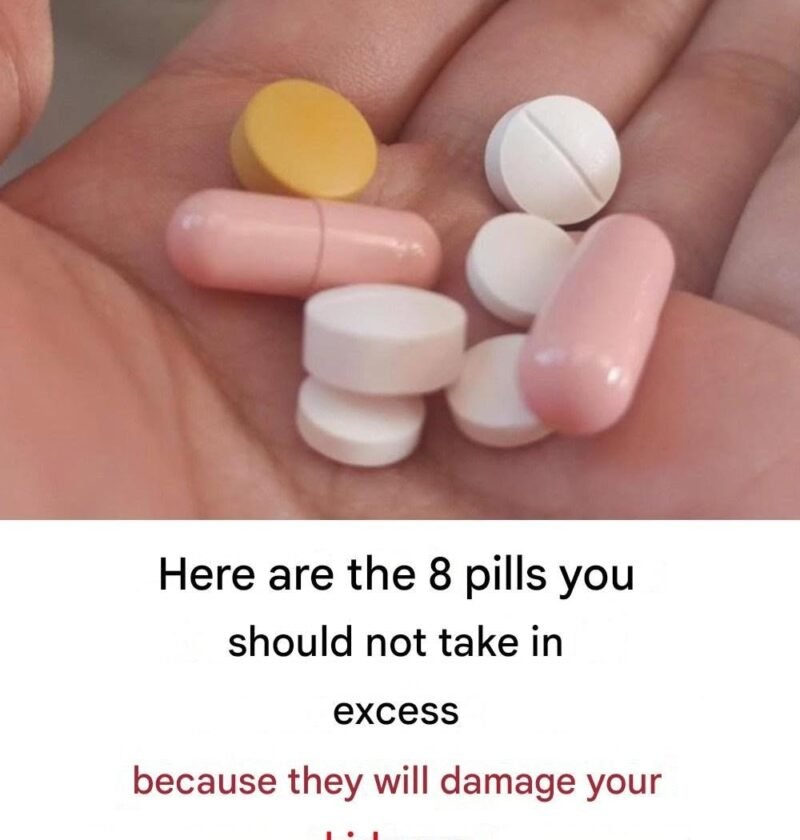
Certain medications and supplements can strain or potentially damage the kidneys, particularly if they are overused, taken in high doses, or used when a person is dehydrated or has pre-existing kidney conditions.
Here are **eight types of pills/medications** frequently highlighted by nephrologists and health organizations for their potential to harm the kidneys:
—
### 1. Non-Steroidal Anti-Inflammatory Drugs (NSAIDs)
* **Common Examples:** Ibuprofen (Advil, Motrin), Naproxen (Aleve), Aspirin (at high doses).
* **Why they hurt the kidneys:** NSAIDs reduce the flow of blood to the kidneys and decrease protective prostaglandins, which can trigger sudden (acute) kidney injury or worsen chronic kidney disease, especially with long-term or high-dose use.
### 2. Proton Pump Inhibitors (PPIs)
* **Common Examples:** Omeprazole (Prilosec), Esomeprazole (Nexium), Lansoprazole (Prevacid).
* **Why they hurt the kidneys:** Used widely for heartburn and acid reflux, long-term use of PPIs has been linked to an increased risk of chronic kidney disease and acute interstitial nephritis (an inflammation of the kidney’s tubules).
### 3. Certain Antibiotics
* **Common Examples:** Aminoglycosides (like gentamicin) and Vancomycin (often given via IV in hospital settings).
* **Why they hurt the kidneys:** Some powerful antibiotics can directly injure the filtering cells (tubules) within the kidneys. This risk multiplies if doses are high, courses are prolonged, or the patient is dehydrated.
### 4. Diuretics (“Water Pills”)
* **Common Examples:** Furosemide (Lasix), Hydrochlorothiazide, Spironolactone.
* **Why they hurt the kidneys:** While prescribed to clear extra fluid and manage blood pressure, diuretics can sometimes cause severe dehydration. Rapid or excessive fluid loss reduces blood volume, making it hard for the kidneys to properly filter waste.
### 5. Antiviral Medications
* **Common Examples:** Acyclovir (for herpes/shingles), Tenofovir (for HIV/Hepatitis B).
* **Why they hurt the kidneys:** Certain antivirals can form microscopic crystals inside the kidneys that block urine flow and irritate kidney tissue, or they can directly stress the renal tubules, particularly if the patient is dehydrated.
### 6. ACE Inhibitors and ARBs (Blood Pressure Meds)
* **Common Examples:** Lisinopril, Enalapril, Losartan.
* **Why they hurt the kidneys:** *Note: These are often prescribed to protect kidney function in people with diabetes or high blood pressure.* However, they can paradoxically cause acute kidney injury if combined with dehydration, salt restriction, or NSAIDs, because they alter the pressure dynamics inside the kidney’s tiny blood vessels.
### 7. Lithium (Mood Stabilizers)
* **Common Examples:** Lithium carbonate (used for bipolar disorder).
* **Why they hurt the kidneys:** Long-term use of lithium can occasionally affect the kidneys’ ability to concentrate urine (leading to a condition called nephrogenic diabetes insipidus) and, in some cases, cause chronic kidney damage over years of therapy.
### 8. Certain Over-the-Counter Laxatives & Supplements
* **Common Examples:** Sodium phosphate-containing bowel preps/laxatives, or certain unregulated herbal supplements (e.g., those containing aristolochic acid).
* **Why they hurt the kidneys:** High-dose oral sodium phosphate laxatives can leave chemical crystals in the kidneys that cause acute failure. Unregulated herbal supplements can also contain nephrotoxic compounds that quietly degrade kidney function over time.
—
> ⚠️ **Important Note:** Never abruptly stop taking a prescribed medication (like blood pressure or antiviral pills) without talking to your doctor. Many of these drugs are life-saving or medically necessary; they simply require proper dosing, adequate hydration, and periodic blood work to monitor kidney function safely.
Are you currently evaluating a medication list for yourself or a loved one, or experiencing any specific symptoms you’d like to discuss?