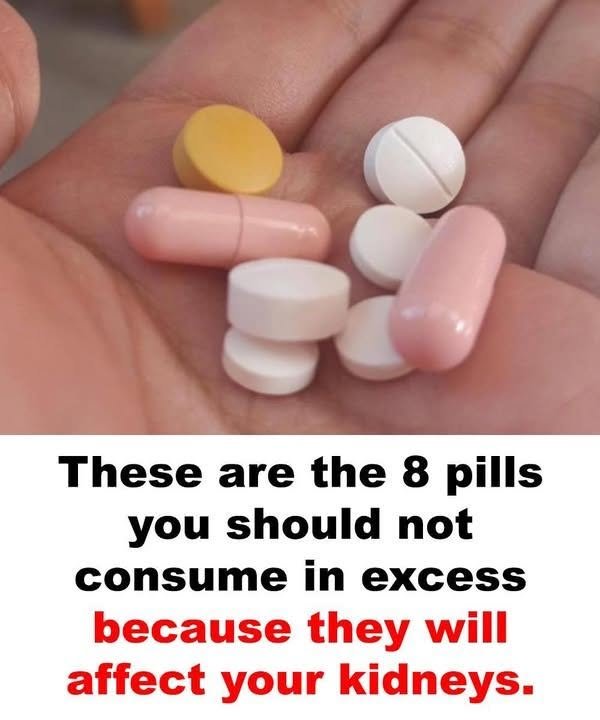
8 Pill & Supplement Types Often Highlighted for Kidney Risk
-
NSAID painkillers (such as ibuprofen, naproxen, diclofenac, or celecoxib): NSAIDs narrow blood vessels feeding the kidney’s filters. Taking them frequently, at high doses, while dehydrated/vomiting/diarrheal, or alongside blood pressure drugs/diuretics can trigger sudden kidney strain—especially in older adults or people with existing kidney or heart issues.
-
Certain blood pressure medications (ACE inhibitors like lisinopril/ramipril and ARBs like losartan/valsartan): These drugs actually protect kidneys long-term in diabetes and proteinuria, yet they can cause a temporary bump in creatinine or potassium—or worsen kidney function during severe dehydration or volume loss—requiring periodic blood tests rather than automatic avoidance.
-
Diuretics (“water pills” such as furosemide or hydrochlorothiazide): By pushing out salt and water, diuretics can cause dehydration, electrolyte shifts, and reduced blood flow to the kidneys if doses are too strong or fluid intake isn’t balanced with medical advice.
-
Certain antibiotics (such as trimethoprim-sulfamethoxazole, aminoglycosides, or certain penicillins/vancomycin): Some antibiotics can irritate kidney tubules, trigger allergic kidney inflammation (interstitial nephritis), crystallize in urine, or raise blood creatinine levels—requiring dose adjustments when kidney function is low.
-
Some diabetes medications (such as metformin or SGLT2 inhibitors in specific settings): SGLT2 inhibitors generally protect kidney function over time, while metformin can accumulate if severe kidney impairment develops; clinicians check kidney function (eGFR) regularly to keep dosing safe and pause certain drugs during acute illness or severe dehydration.
-
Proton pump inhibitors (PPIs, such as omeprazole or pantoprazole): Long-term, high-dose use has been linked in observational studies to small increases in kidney inflammation or chronic kidney risk—a good reason to use the lowest effective dose and review whether ongoing daily use is still needed.
-
Lithium (and certain other psychiatric/neurologic drugs): Lithium is cleared almost entirely by the kidneys and can both cause kidney concentrating/tubular effects over time and build up to toxic levels if dehydration, NSAIDs, or declining kidney function reduce clearance.
-
Unregulated herbal pills, supplements, or high-dose NSAID/pain combos: Over-the-counter “herbal” remedies, weight-loss/bodybuilding pills, or multi-ingredient pain/cold tablets can contain hidden nephrotoxins, heavy metals, or stacked NSAIDs that stress kidneys without clear labeling.
How to Use Medications More Safely Around Kidney Health
| Risk Situation | Safer Approach |
| Everyday aches, fever, or pain | Ask a doctor or pharmacist if acetaminophen (paracetamol) fits your situation (noting liver limits), and avoid stacking multiple pain pills or taking high-dose NSAIDs casually |
| Illness with vomiting, diarrhea, fever, or poor fluid intake | Ask your prescriber about “sick day” guidance for blood pressure pills, diuretics, or diabetes medications—dehydration makes kidney strain much more likely |
| Ongoing prescriptions & supplements | Bring a full list of all pills, over-the-counter meds, and herbal supplements to routine checkups so kidney function (creatinine/eGFR) and urine tests can be monitored |
| Stopping a prescribed medication | Do not stop a prescribed blood pressure, heart, diabetes, or psychiatric pill abruptly on your own unless told to do so urgently by a clinician—rebound spikes or relapse carry major risks |