$$\begin{aligned} \text{Dry Mouth (Xerostomia)} &\neq \text{Normal Aging} \\ \text{Real Culprit} &= \text{Salivary Gland Hypofunction} \end{aligned}$$
While it is true that chronic dry mouth affects a disproportionately high number of older adults, dentists and physicians emphasize that dry mouth is not a natural or inevitable part of getting older.
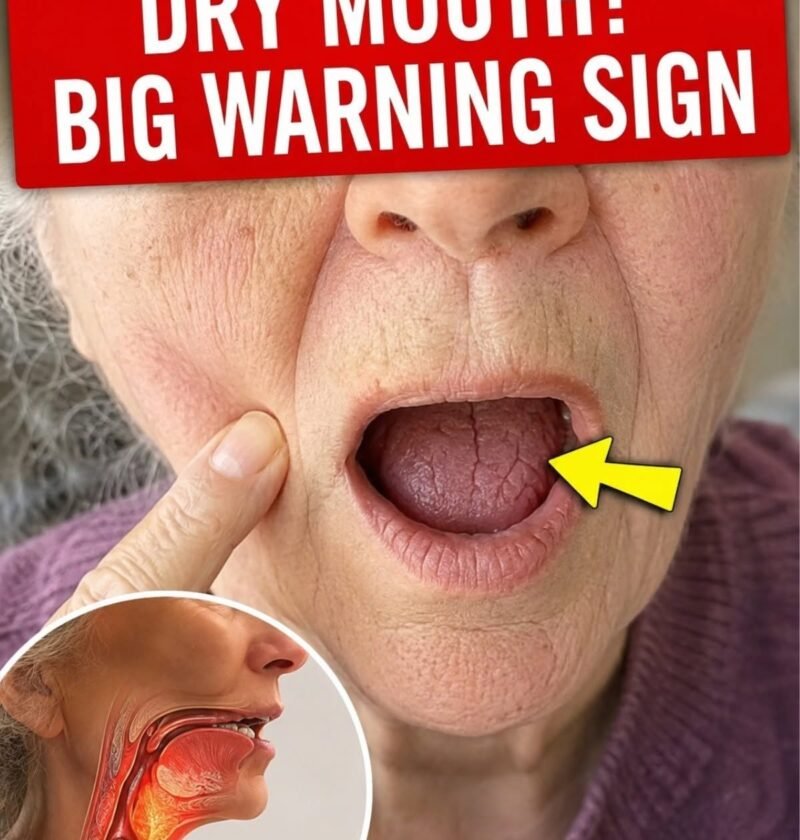
When your mouth feels like sandpaper, it is because your salivary glands are literally shutting down or slowing production. Saliva is your mouth’s natural defense system—it neutralizes acids, washes away food particles, remineralizes enamel, and fights off bacteria. When it stops flowing, your oral health can deteriorate rapidly.
Here is what is really behind dry mouth, why it happens, and how to address it.
Why Are Your Salivary Glands Shutting Down?
Saliva production is controlled by your nervous system. When glands stop producing moisture, it is almost always triggered by one of three primary culprits:
1. Medications (By Far the Most Common Cause)
Over 400 commonly prescribed and over-the-counter medications list dry mouth as a side effect.
-
The Culprits: Blood pressure medications (antihypertensives), diuretics (water pills), antihistamines, antidepressants, and anxiety medications often block the chemical signals your brain sends to your salivary glands, putting them into a semi-permanent “sleep” mode.
2. Systemic Health Conditions & Autoimmune Disorders
Dry mouth is frequently a warning sign of an underlying medical condition:
-
Sjögren’s Syndrome: An autoimmune disease where the body’s immune system mistakenly attacks its own moisture-producing glands (including salivary and tear glands).
-
Diabetes: Unmanaged blood sugar alters fluid balance and can damage nerve function in the glands.
-
Neurological Factors: Conditions affecting the nervous system, such as a stroke or nerve damage, can disrupt the brain-to-gland communication required to trigger saliva flow.
3. Radiation Therapy and Chemotherapy
If a patient has undergone radiation therapy to the head or neck, the radiation beams can permanently damage or scar the sensitive salivary gland tissue, drastically reducing lifelong output.
The Hidden Dangers of Chronic Dry Mouth
Living with a perpetually dry mouth isn’t just uncomfortable—it strips away your body’s natural protection, leading to:
-
Rapid Tooth Decay: Without saliva to wash away bacteria and buffer acids, cavities can form aggressively, especially around the exposed roots of the teeth.
-
Fungal Infections (Oral Thrush): Saliva has antifungal properties; a dry environment allows Candida yeast to overgrow.
-
Difficulty Eating and Speaking: Saliva is essential for lubricating food to swallow and keeping mucosal tissues supple.
How to Kickstart Saliva Production and Protect Your Teeth
If you suspect your dry mouth is linked to a prescription drug, never stop taking your medication without consulting your doctor. Instead, try these dentist-recommended strategies to manage symptoms and protect your smile:
-
Stimulate Mechanically: Chew sugar-free gum containing xylitol or suck on sugar-free hard candies. The physical chewing motion and flavor trick the salivary glands into producing more fluid.
-
Use Artificial Saliva Substitutes: Over-the-counter mouthwashes, sprays, and gels specifically formulated for dry mouth (like Biotene) mimic the lubricating proteins of real saliva.
-
Stay Excessively Hydrated: Sip water constantly throughout the day, and keep a glass by your bed at night.
-
Avoid Irritants: Steer clear of alcohol-based mouthwashes, excessive caffeine, and tobacco, all of which aggressively dry out mucosal tissues.