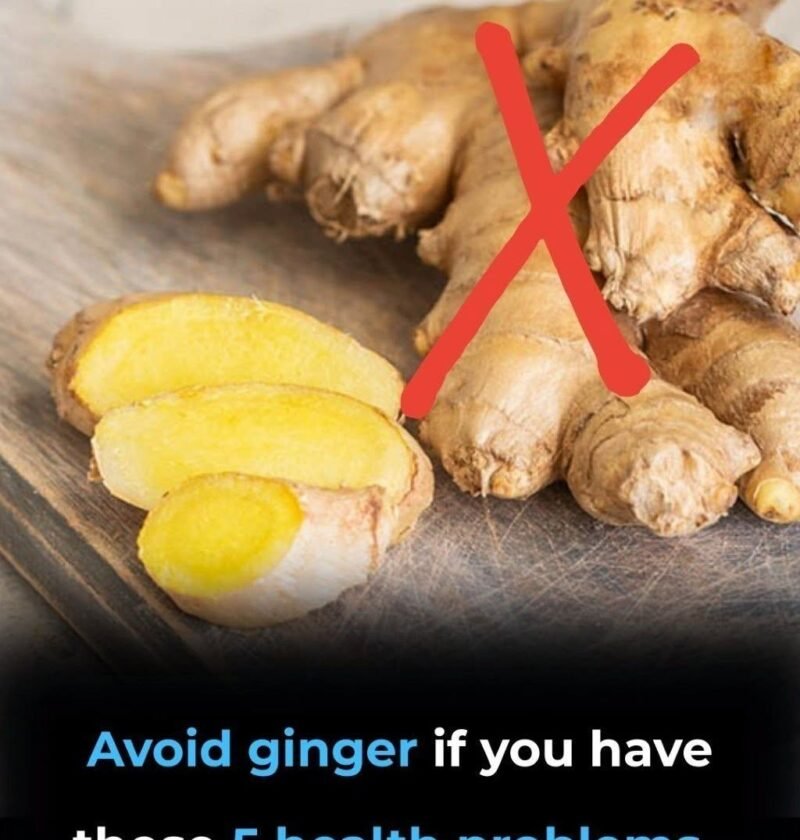
While ginger is widely celebrated for its potent anti-inflammatory, antioxidant, and nausea-relieving properties, medical experts point out that consuming it—especially in excess or for certain individuals—can cause specific physiological effects and side effects.
When doctors and clinical studies highlight what heavy or unmonitored ginger consumption can cause, they typically point to the following effects:
1. Heartburn and Acid Reflux
-
What happens: While ginger is often used to soothe digestion, consuming it in large quantities (typically over 4 to 6 grams a day) or on an empty stomach can irritate the mucous membranes of the esophagus. Its active compound, gingerol, can relax the lower esophageal sphincter, allowing stomach acid to creep upward and trigger a burning sensation.
2. Mild Gastrointestinal Distress (Upset Stomach or Diarrhea)
-
What happens: Paradoxically, while ginger treats nausea, overconsumption can cause a hyper-stimulated digestive tract. High doses can lead to abdominal discomfort, gas, bloating, or loose stools as it speeds up gastric emptying and impacts gut motility.
3. Increased Risk of Bleeding
-
What happens: Ginger possesses natural blood-thinning properties because it contains salicylates and can inhibit platelet aggregation (clotting). While generally fine in culinary amounts, consuming concentrated ginger supplements alongside anticoagulant medications (like Warfarin or aspirin) can increase the risk of bruising or excessive bleeding. For this reason, doctors usually advise stopping ginger supplements a couple of weeks before scheduled surgeries.
4. Lowered Blood Pressure
-
What happens: Ginger can act as a mild vasodilator and can help lower hypertension. However, for individuals who already suffer from low blood pressure (hypotension) or take blood pressure-lowering medications, excessive intake can occasionally cause dizziness, lightheadedness, or fatigue.
5. Stimulation of Bile Flow (Gallstone Caution)
-
What happens: Ginger stimulates the production and release of bile from the gallbladder. While this aids in digesting fatty foods, doctors warn that individuals with existing gallstones or biliary tract obstructions should exercise caution, as increased bile flow can provoke painful gallbladder spasms.
The Bottom Line
In normal culinary amounts (like a slice in tea or seasoning in food), ginger is remarkably safe and beneficial for most people. However, if consumed by the spoonful or taken in heavy-dose extracts, it shifts from a remedy to a potent botanical that requires caution.