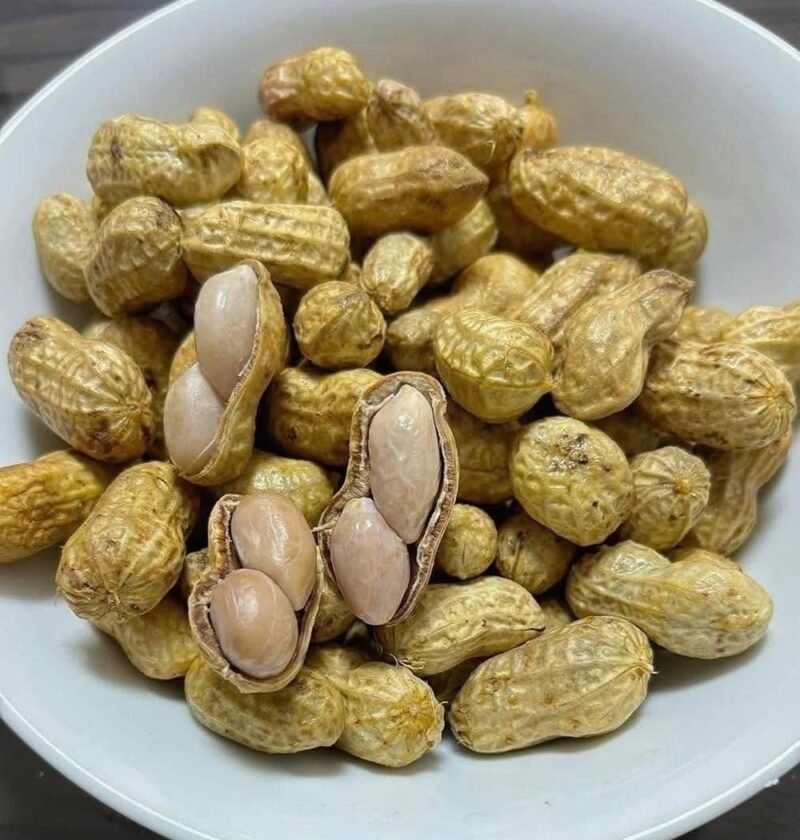
According to doctors and nutrition experts, eating peanuts—when consumed in moderation as part of a balanced diet—can lead to several notable health benefits, though overconsumption or underlying health conditions can also introduce some risks.
Here is what doctors note that eating peanuts can lead to:
1. Improved Heart Health
-
The Effect: Regular consumption of peanuts is linked to a lower risk of cardiovascular disease. Peanuts are rich in monounsaturated and polyunsaturated fats (the “good” fats), as well as plant compounds like phytosterols and resveratrol. These nutrients help lower LDL (“bad”) cholesterol, reduce arterial inflammation, and prevent blood clots.
2. Better Blood Sugar Control
-
The Effect: Peanuts have a very low glycemic index because they are low in carbohydrates and high in healthy fats, protein, and fiber. Doctors note that eating them doesn’t cause sharp glucose spikes and can help improve overall insulin sensitivity over time, reducing the risk of type 2 diabetes.
3. Enhanced Satiety and Weight Management
-
The Effect: Despite being calorie-dense, peanuts are packed with protein and dietary fiber, which trigger hormones that signal fullness. Studies show that moderate, regular peanut intake can actually support weight management or healthy weight loss because they keep you feeling full longer, preventing overeating.
4. Protection Against Cell Damage (Antioxidant Boost)
-
The Effect: Peanuts are loaded with antioxidants—such as vitamin E, niacin, and bioactive plant compounds. Eating them helps neutralize free radicals in the body, reducing oxidative stress and protecting cells from chronic age-related decline.
The Potential Risks and Warnings to Keep in Mind
While peanuts are nutrient-dense powerhouses, doctors urge caution regarding a few important downsides:
-
Severe Allergic Reactions: A peanut allergy is one of the most common and dangerous food allergies. For sensitive individuals, even trace amounts can lead to life-threatening anaphylaxis (swelling of the throat, difficulty breathing, and a dangerous drop in blood pressure).
-
Digestive Discomfort (from Overeating): Because they are high in fiber, fats, and difficult-to-digest compounds (like phytic acid), eating large quantities at once can lead to bloating, gas, stomach cramps, or diarrhea.
-
Mycotoxin Contamination (Aflatoxins): Peanuts grow underground, making them susceptible to a mold called Aspergillus flavus, which produces aflatoxins—potent cancer-causing toxins. While commercial food safety regulations strictly test for this, buying from trusted sources is essential.
-
Excess Sodium and Calories: Heavily salted, honey-roasted, or commercially processed peanuts and peanut butters often come packed with excess sodium, added sugars, and extra oils, which can negate their health benefits if overconsumed.
The Expert Recommendation: A standard, healthy serving size is about 1 ounce (a small handful or roughly 35 peanuts) per day, ideally raw or dry-roasted with little to no added salt.
Are you looking to incorporate more plant-based proteins into your diet, or are you checking for specific health considerations?