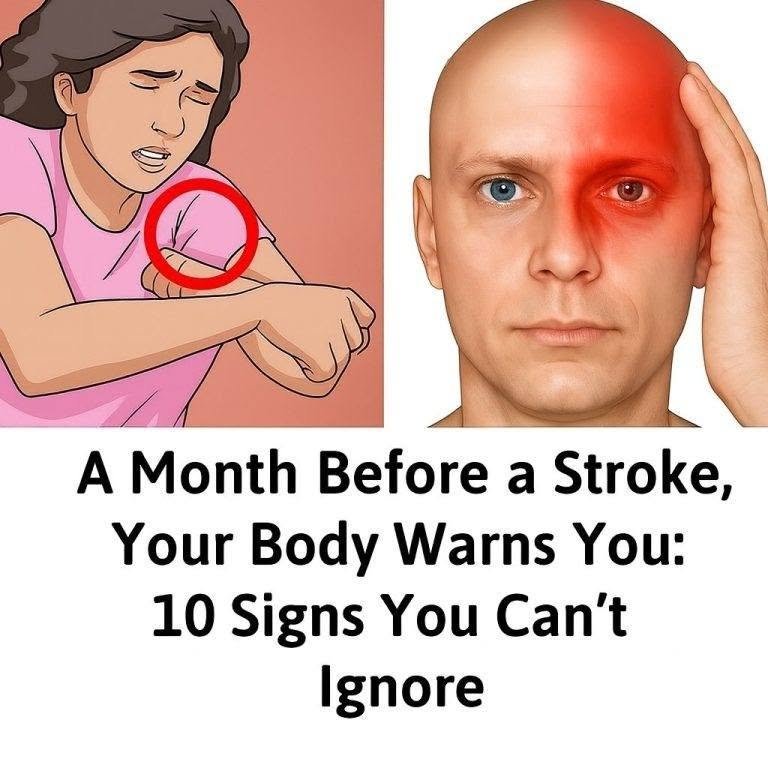
While viral articles often suggest that a stroke gives a steady 30-day countdown with distinct daily symptoms, the medical reality is a bit more nuanced. A stroke itself is an acute, sudden medical emergency. However, many people do experience subtle warning events—most notably TIAs (Transient Ischemic Attacks, or “mini-strokes”)—days, weeks, or sometimes up to a month before a major event.
A TIA happens when blood flow to a part of the brain is briefly blocked and then clears on its own. Because the symptoms disappear, people often ignore them, thinking they were just overly tired or dizzy. In reality, a TIA is a critical warning sign that a larger stroke may follow.
Understanding the Signs: Acute vs. Warning Episodes
While true stroke signs appear suddenly, recognizing fleeting versions of these symptoms weeks or days prior can be life-saving. Medical professionals use the B.E. F.A.S.T. acronym to identify these critical warning signs:
-
B – Balance: Sudden dizziness, loss of balance, or trouble walking straight.
-
E – Eyes: Sudden blurred vision, double vision, or loss of sight in one or both eyes.
-
F – Face Drooping: Numbness or an uneven smile where one side of the face droops.
-
A – Arm Weakness: Sudden weakness or numbness, especially if one arm drifts downward when raised.
-
S – Speech Difficulty: Slurred speech, trouble finding words, or difficulty understanding simple sentences.
-
T – Time to Call 911: If symptoms appear—even if they go away within a few minutes—emergency medical evaluation is required immediately.
Other subtle indicators that can precede a vascular event include sudden, severe headaches with no known cause, or brief episodes of confusion and short-term memory lapses.
Why You Should Never Wait Out a Warning Sign
The biggest misconception about mini-strokes or early vascular warning signs is that “if it went away, it’s fine.” Research shows that the risk of a major stroke is exceptionally high in the days and weeks immediately following a TIA. Catching these early signals allows doctors to intervene with medications, lifestyle changes, or procedures to prevent a full stroke.
Did you or someone you know recently experience a sudden, brief episode of numbness, dizziness, or vision changes that resolved on its own?