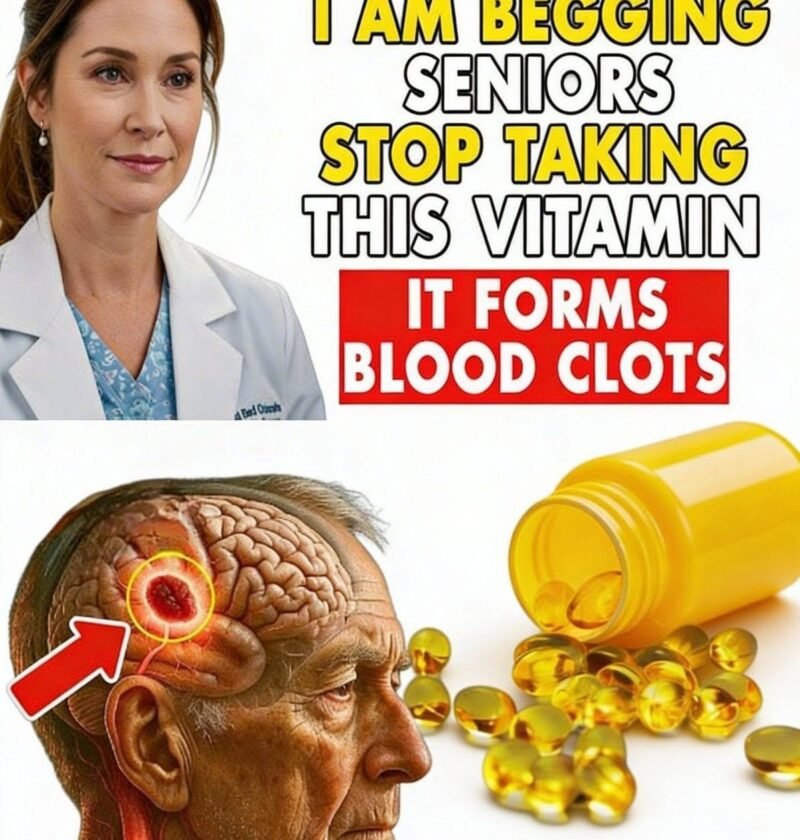
“As a Brain Doctor, I’m Shocked: This Vitamin Raises Stroke Risk Overnight” — Is It True?
This headline is highly misleading. There isn’t good evidence that an ordinary vitamin supplement suddenly makes a healthy person develop a stroke “overnight.”
In fact, research on vitamins and stroke is complicated: some studies have found associations with lower stroke risk, while randomized trials haven’t consistently shown that vitamin supplements prevent strokes. PubMed Central (PMC)+1
Which vitamin might the headline be referring to?
A common suspect in sensational posts is vitamin B12, particularly the form cyanocobalamin in high-dose B-vitamin combinations. Some research has raised concerns in people with significant kidney impairment, but this does not mean B12 generally causes strokes or that taking a normal B12 dose suddenly raises stroke risk. PubMed
Another vitamin frequently discussed is vitamin E. High-dose vitamin E supplements can increase bleeding risk because they can interfere with blood clotting, particularly when combined with anticoagulant or antiplatelet medicines. That is a different issue from saying vitamin E directly causes an ischemic stroke. NCCIH
What actually matters for stroke prevention?
For older adults especially, the major established risk factors include:
- High blood pressure
- Smoking
- Diabetes
- High cholesterol
- Atrial fibrillation and other heart conditions
- Physical inactivity
- Obesity
- Previous TIA or stroke
So don’t stop a medically recommended vitamin because of a social-media headline.
Bottom line: “This vitamin raises stroke risk overnight” is not an accurate general medical statement. The specific vitamin, dose, kidney function, medications, and underlying health conditions all matter. PubMed+1
Sources