9 Vitamins & Supplements That May Affect Your Liver and Kidneys If Misused
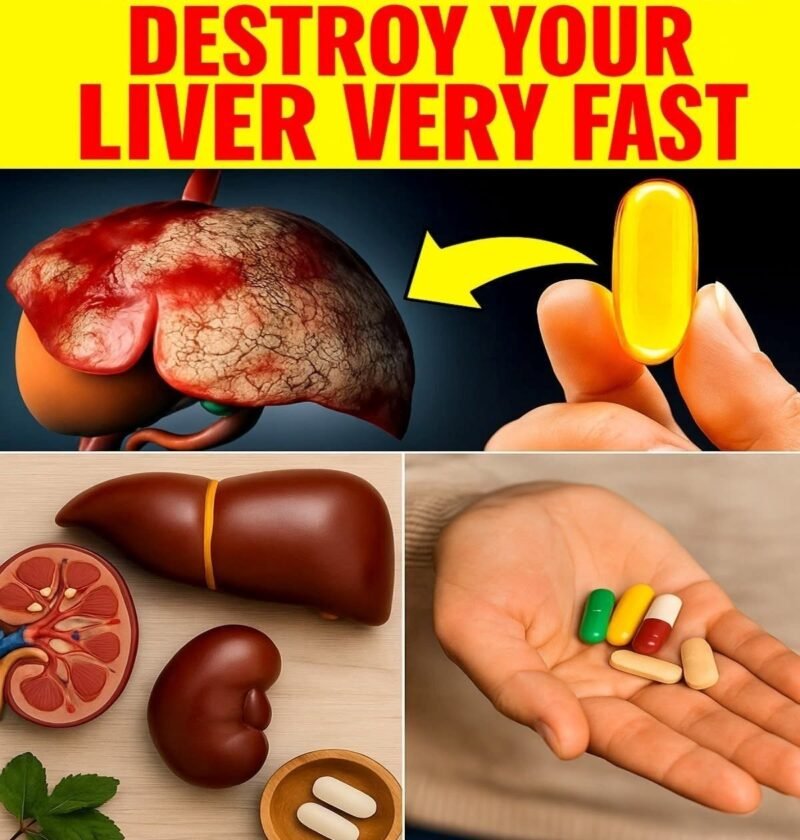
“Natural” does not automatically mean harmless. Most vitamins are safe when taken at appropriate doses, but excessive amounts, concentrated extracts, contaminated products, or combinations of supplements can sometimes injure the liver or kidneys.
Nine examples worth knowing about are:
- Vitamin A — Excess preformed vitamin A can accumulate in the body and cause liver toxicity. Very high doses can also cause headaches, bone problems, and other toxicity.
- Niacin (vitamin B3) — High-dose niacin, particularly certain sustained-release preparations, can cause potentially serious liver injury. It can also affect blood glucose and uric acid.
- Vitamin D — Too much vitamin D can cause excessive calcium in the blood (hypercalcemia), potentially leading to nausea, weakness, kidney stones, and kidney damage.
- Vitamin C — Very large supplemental doses can increase urinary oxalate and may increase the risk of kidney stones, particularly in susceptible individuals.
- Vitamin B6 — Long-term high doses can cause peripheral neuropathy, producing numbness, tingling, or burning sensations. More isn’t better simply because it’s a water-soluble vitamin.
- Iron — Iron supplements can be harmful when taken unnecessarily or in excessive amounts. Severe iron toxicity can damage the liver and other organs.
- Green tea extract — Concentrated extracts have been associated with rare cases of liver injury. This is different from drinking ordinary green tea.
- Kava — Kava-containing products have been associated with serious, sometimes life-threatening liver injury.
- Bodybuilding and weight-loss supplements — These deserve particular caution because some products have contained undeclared pharmaceutical ingredients, steroids, stimulants, or contaminants capable of damaging the liver or kidneys.
⚠️ Who should be particularly careful?
Talk with a doctor or pharmacist before taking supplements if you have kidney or liver disease, are pregnant, take several medications, or are considering high-dose products.
Be especially skeptical of supplements advertised as “detox,” “liver cleanse,” “kidney cleanse,” or “mega-dose” products. Your liver and kidneys already perform the body’s detoxification and waste-removal functions.
Don’t assume symptoms are harmless
Possible signs of liver injury include yellowing of the skin or eyes, dark urine, unusual itching, severe nausea, or pain in the upper right abdomen. Kidney problems can cause reduced urination, swelling, significant weakness, or changes in urine.
If these occur after starting a supplement, stop and seek medical advice rather than taking another supplement to “counteract” it.
Bottom line: The danger is usually dose, duration, product quality, interactions, and individual health—not simply the fact that a substance is a vitamin or supplement. Don’t stop a medically prescribed supplement without discussing it with your clinician.