🚿 Can a Shower Habit Increase Your Risk of a Nighttime Stroke?
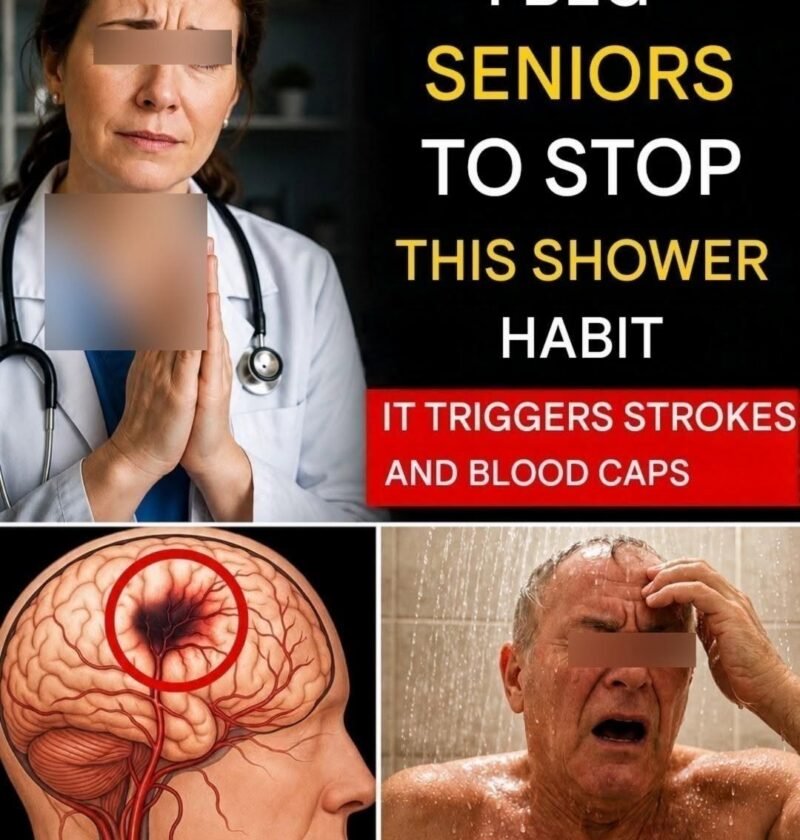
Be skeptical of headlines claiming that one ordinary shower habit dramatically increases stroke risk. There isn’t good evidence that a particular shower routine by itself causes nighttime strokes.
There is, however, a reason to be careful with very hot showers or baths, especially for older adults or people with cardiovascular problems.
What very hot water can do
Hot water causes blood vessels to widen (vasodilation). This can temporarily lower blood pressure and may cause:
- Dizziness or light-headedness
- Weakness
- Fainting, particularly when standing up
- Increased cardiovascular strain in some people
A sudden transition between very hot and very cold water can also produce abrupt cardiovascular responses.
Safer shower habits for older adults
- Use comfortably warm rather than extremely hot water.
- Don’t remain in very hot water for prolonged periods.
- Stand up slowly, particularly if you’ve been sitting or bathing for a while.
- Keep the bathroom well ventilated.
- Use a non-slip mat and grab bars if balance is a concern.
- If you frequently feel dizzy after showering, discuss it with your healthcare professional.
🚨 Know the actual stroke warning signs
A stroke can happen at any time, including during the night. Sudden facial drooping, one-sided weakness or numbness, difficulty speaking, sudden vision loss, severe dizziness/loss of coordination, or a sudden severe headache require emergency medical attention.
Remember BE FAST: Balance, Eyes, Face, Arms, Speech, Time.
Bottom line: A normal shower isn’t known to cause nighttime strokes. For seniors, the more realistic concern with very hot water is blood-pressure changes, dizziness, and falls. Don’t let viral “brain doctor” claims distract from the proven stroke risk factors: high blood pressure, smoking, diabetes, high cholesterol, atrial fibrillation, and cardiovascular disease.