What Is the Normal Blood Pressure for Each Age?
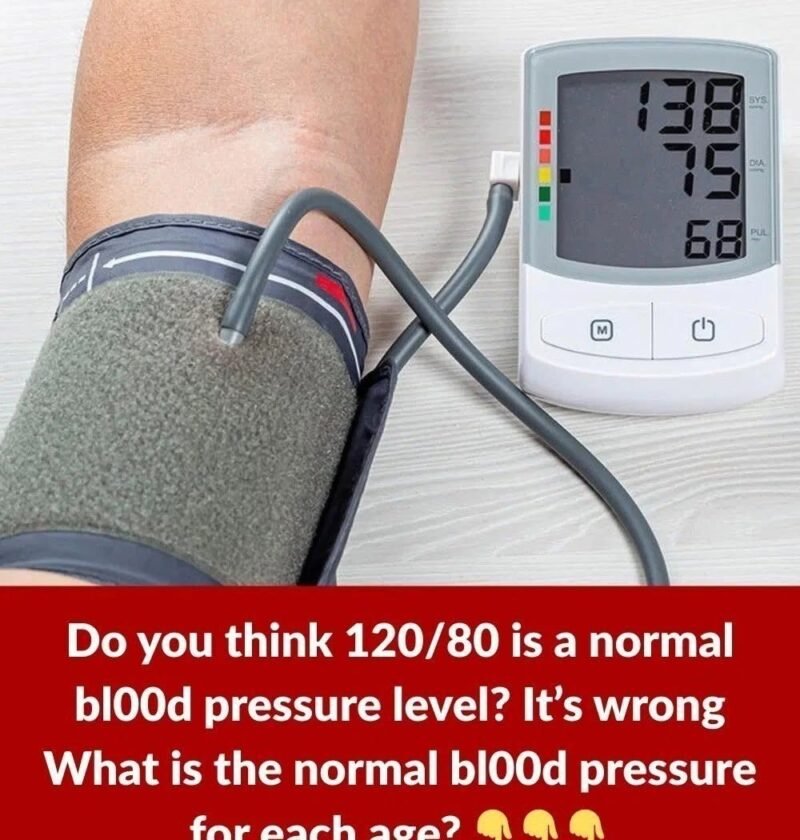
There isn’t a separate “normal” blood-pressure number for every age. For most adults, a blood pressure below 120/80 mmHg is considered normal, while the thresholds used to diagnose high blood pressure generally don’t change simply because someone is older.
Adults
Blood pressure Systolic (top) Diastolic (bottom)
Normal <120 and <80
Elevated 120–129 and <80
High – Stage 1 130–139 or 80–89
High – Stage 2 ≥140 or ≥90
Very high ≥180 and/or ≥120
These categories follow commonly used U.S. adult guidelines. Other countries may use somewhat different thresholds.
What about older adults?
It’s a common misconception that 140/90 or 150/90 is automatically normal because someone is older. Older adults are more likely to develop hypertension, but high blood pressure still deserves appropriate assessment. Your individual target may depend on your overall health, medications, frailty, and other medical conditions.
Children and teenagers
Children are different: healthy blood pressure depends on age, sex, and height, so adult numbers shouldn’t be applied to young children.
How to measure it accurately
For a useful reading:
Rest quietly for about 5 minutes first.
Sit with your back supported and feet flat on the floor.
Keep your arm supported at heart level.
Avoid caffeine, exercise, and smoking for about 30 minutes beforehand.
Take two readings, about a minute apart, and record them.
A single high reading doesn’t necessarily mean you have hypertension. Repeated measurements are more informative.
Seek urgent medical care if your blood pressure is 180/120 mmHg or higher, particularly if you also have chest pain, difficulty breathing, weakness/numbness, confusion, severe headache, or vision changes.