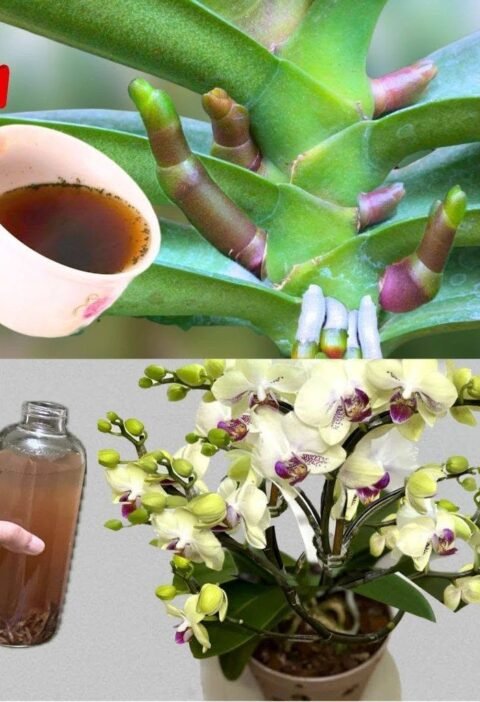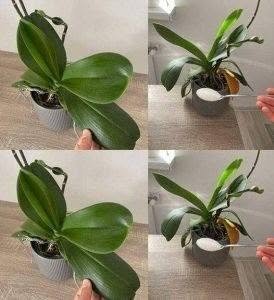
🌸 Orchids: Be Careful With “1-Tablespoon” Fertilizer Hacks
There isn’t a magical homemade fertilizer that makes orchids “bloom non-stop.” Orchids need appropriate light, watering, temperature, and nutrients, and forcing fertilizer can actually damage their roots.
If you want to fertilize an orchid safely:
Use a balanced orchid fertilizer rather than an untested kitchen recipe.
Follow the product’s dilution instructions—more fertilizer isn’t better.
Fertilize during active growth, generally every 2–4 weeks, depending on the fertilizer and orchid variety.
Water the orchid normally and avoid leaving the roots sitting in stagnant water.
Provide bright, indirect light, which is particularly important for flowering.
When the orchid is flowering, don’t dramatically increase fertilizer hoping to produce continuous blooms.
🌱 What about common DIY recipes?
You may see recommendations for coffee grounds, rice water, banana peels, eggshells, or sugar water. These aren’t reliable orchid fertilizers, and some can encourage mold, pests, or root problems.
For a healthy orchid, proper light + correct watering + a diluted, orchid-specific fertilizer is much more dependable than a viral “1 tablespoon” recipe.