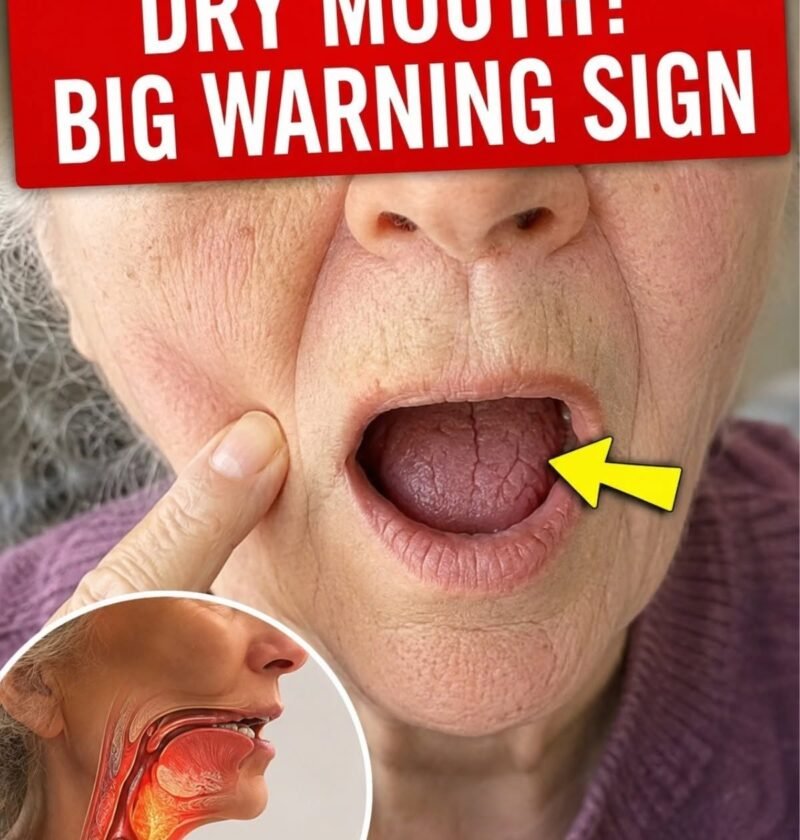
That headline is misleading. Dry mouth (xerostomia) isn’t simply “your saliva shutting down,” and it isn’t an inevitable part of aging.
Dry mouth means reduced saliva or a sensation of dryness. Common causes include:
Medications — especially antihistamines, antidepressants, some blood-pressure medicines, diuretics, and anticholinergic drugs.
Dehydration or excessive fluid loss.
Mouth breathing, snoring, or nasal obstruction.
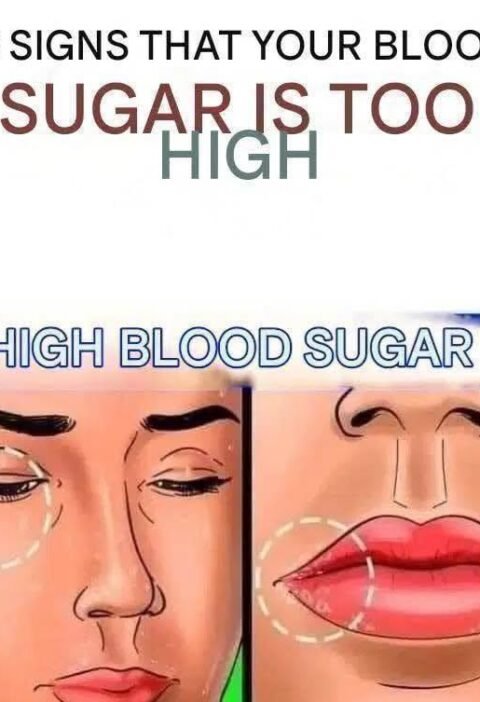
Diabetes or other medical conditions.
Radiation treatment involving the head and neck.
Salivary-gland disorders, including Sjögren’s syndrome.
Tobacco, alcohol, and some recreational drugs can also contribute.
Persistent dry mouth matters because saliva protects your teeth and oral tissues. Long-lasting dryness can increase the risk of cavities, gum disease, mouth infections, difficulty swallowing, and problems speaking or tasting.
So if someone develops persistent dry mouth, particularly after starting a medication, it’s worth having the cause reviewed rather than assuming it’s normal aging. Don’t stop prescription medication on your own.
If you want, I can also give you a list of the 10 most common medications that cause severe dry mouth.