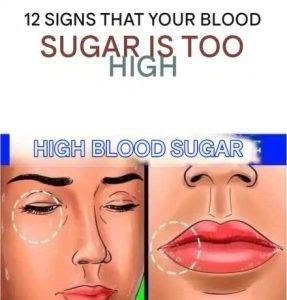
High blood sugar: 12 symptoms to know
If the headline is referring to high blood glucose (hyperglycemia), the symptoms can be useful warning signs—but symptoms alone cannot diagnose diabetes. Some people, especially early in type 2 diabetes, have few or no symptoms.
Twelve commonly reported signs are:
Increased thirst
Frequent urination, including waking at night to urinate
Increased hunger
Unexplained weight loss
Fatigue or unusual tiredness
Blurred vision
Slow-healing cuts or wounds
Frequent infections, including urinary or fungal infections
Dry mouth or dry skin
Tingling or numbness, particularly in the feet or hands
Headaches
Difficulty concentrating or feeling mentally foggy
The classic combination of thirst + frequent urination + unexplained weight loss + fatigue is particularly worth getting checked.
How do you know if your sugar is actually high?
The reliable way is blood-glucose testing, such as a fasting glucose or HbA1c (A1C) test. Don’t try to diagnose diabetes from a symptom checklist or from the color of your urine, skin, or tongue.
🚨 When high sugar is an emergency
Very high glucose can sometimes lead to diabetic ketoacidosis (DKA) or hyperosmolar hyperglycemic state (HHS). Seek urgent medical care for symptoms such as:
Persistent vomiting
Severe dehydration
Abdominal pain
Deep or rapid breathing
Fruity-smelling breath
Confusion or extreme drowsiness
Severe weakness
Bottom line: These symptoms can occur with high blood sugar, but many have other causes. If you’re experiencing several of them—especially excessive thirst and frequent urination—getting a blood-glucose/HbA1c test is much more useful than relying on viral “12 symptoms” lists.