Dry mouth is not simply “aging”
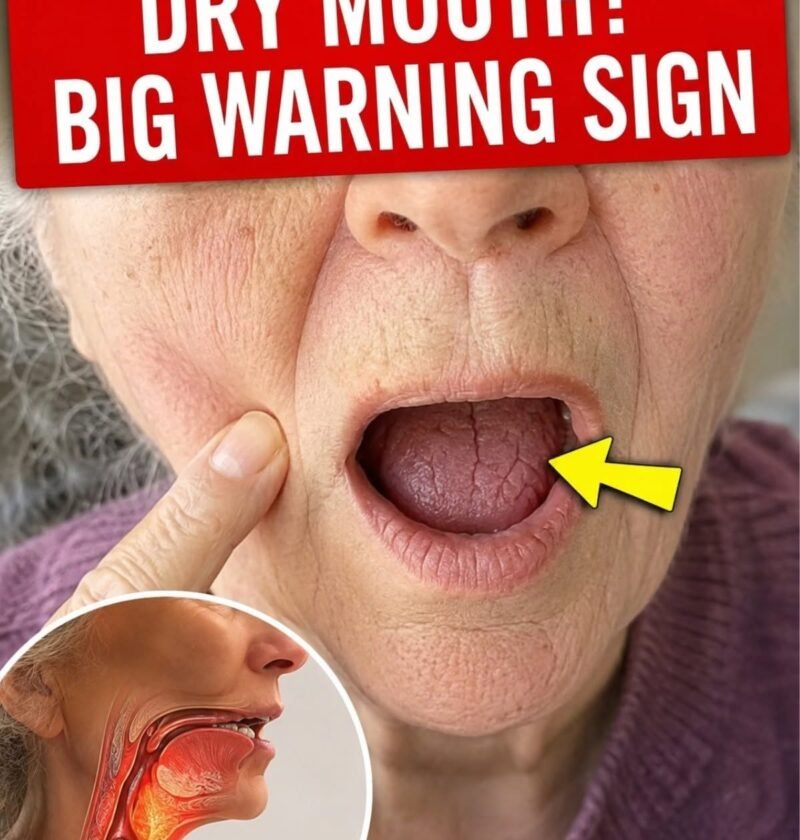
The headline “Dry Mouth Is Not Aging — It’s Your Saliva Shutting Down” is catchy, but it oversimplifies the situation.
Dry mouth, medically called xerostomia, means you don’t have enough saliva or feel that your mouth is unusually dry. It isn’t considered an inevitable part of getting older. Older adults are more likely to experience it, but that’s often because of medications or medical conditions rather than age itself.
Common reasons for dry mouth
Medications: This is one of the most common causes. Many medicines for blood pressure, allergies, depression, anxiety, pain and other conditions can reduce saliva.
Dehydration: Not drinking enough fluids, vomiting, diarrhea, fever, or excessive sweating can temporarily reduce saliva.
Mouth breathing: Nasal congestion, allergies, or sleeping with your mouth open can leave your mouth very dry, especially in the morning.
Diabetes: High blood glucose can cause increased urination and dehydration, contributing to dry mouth.
Salivary-gland problems: Certain diseases or treatments can directly affect the glands that produce saliva.
Sjogren’s syndrome: This autoimmune condition can cause persistent dry mouth and dry eyes.
Cancer treatment: Radiation involving the head and neck and some chemotherapy can significantly reduce saliva production.
Why saliva matters
Saliva isn’t just about keeping your mouth comfortable. It helps:
Lubricate food and make swallowing easier
Begin digestion
Protect teeth from acids and bacteria
Reduce the risk of cavities and oral infections
Help you taste food
Long-term dry mouth can therefore contribute to tooth decay, gum problems, mouth sores, difficulty swallowing, and oral infections.
What you can do
Try drinking water regularly, chewing sugar-free gum or sucking sugar-free lozenges to stimulate saliva, and avoiding excessive caffeine, alcohol and tobacco. Use fluoride toothpaste and maintain good dental care.
If your mouth has been persistently dry for several weeks, or you have difficulty swallowing, recurrent mouth infections, significant dental problems, or very dry eyes as well, it’s worth discussing it with a doctor or dentist.
One important point: “Your saliva is shutting down” is not a medical diagnosis. Persistent dry mouth deserves investigation because the underlying cause is often treatable or manageable, rather than simply being an unavoidable consequence of aging.