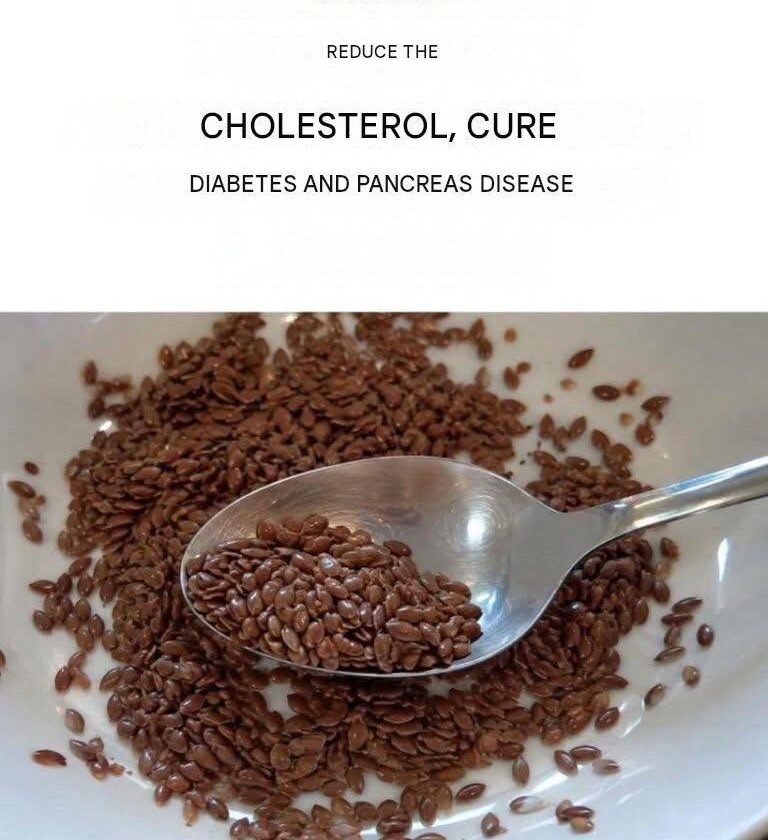
If you’re referring to the viral claim “The seed that protects the pancreas, treats diabetes, burns fat, and provides energy,” it is most likely talking about flaxseed (linseed).
🌱 What flaxseed can actually do
Flaxseed is nutritious and contains fiber, plant-based omega-3 (ALA), protein, and lignans. It can be a useful part of a healthy diet, but the headline overstates the evidence.
Blood sugar: Several meta-analyses of clinical trials have found that flaxseed may modestly improve fasting blood glucose and insulin resistance. One review found improvements in fasting glucose, insulin, HbA1c and HOMA-IR in people with prediabetes or type 2 diabetes.
P
PubMed
+1
Pancreas: There isn’t good human evidence that eating flaxseed literally “protects” or repairs the pancreas. Claims that it prevents pancreatic damage should therefore be treated cautiously.
Burning fat: Flaxseed does not directly “burn fat.” Its fiber can increase fullness and may make it easier to manage calorie intake, while its overall nutritional profile can support a healthy diet. That is different from a fat-burning treatment.
Energy: Flaxseed provides calories, fat, protein and carbohydrates, so it contributes nutritional energy. It isn’t a special energy booster.
Cholesterol and heart health: Its fiber and ALA make it a useful addition to a balanced diet, although effects vary according to the amount and form consumed.
How to eat it
A practical approach is ground flaxseed, because grinding makes its nutrients more accessible. It can be mixed into oatmeal, yogurt, smoothies or sprinkled over food. Start with a small amount and drink adequate fluids because of its high fiber content.
What about chia seeds?
If the article is actually referring to chia seeds, the evidence is less convincing for diabetes specifically. A 2024 systematic review of eight randomized trials found no significant improvement in fasting glucose, HbA1c or insulin from chia consumption.
P
PubMed
+1
Bottom line: Flaxseed is a healthy food and may modestly help some metabolic measures, but no seed treats diabetes, melts body fat, or protects the pancreas by itself. Diabetes treatment should not be replaced with seeds or other “natural remedies.”
P
Sources