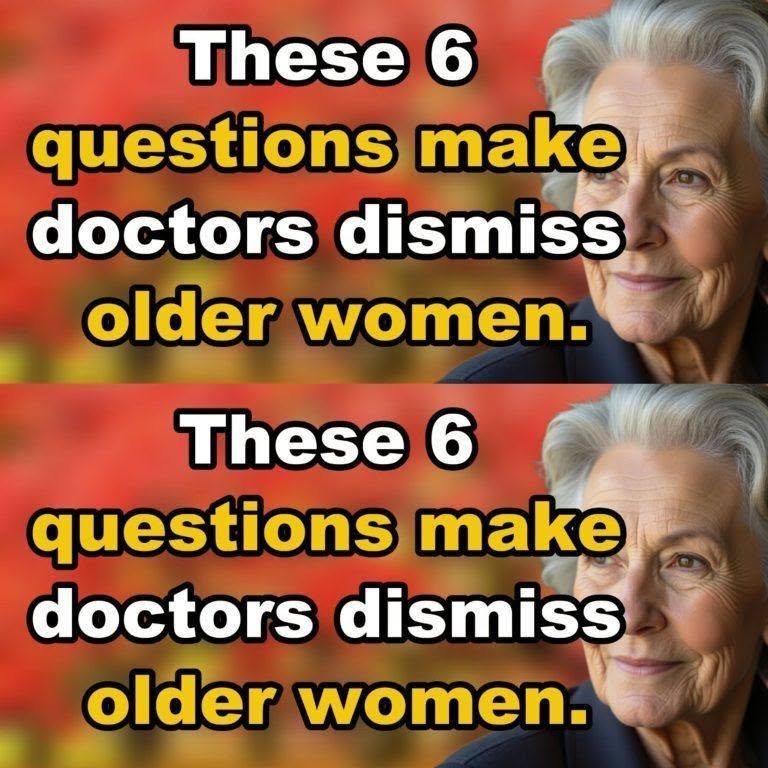
That headline is partly based on a real problem, but the “6 questions get the worst care” framing is clickbait.
The underlying issue is that some older women do experience ageism and gender bias in healthcare. Research and patient reports describe symptoms being dismissed as “just aging,” older patients being spoken over, or clinicians directing conversations toward accompanying family members rather than the patient.
N
NIA
+2
However, asking a particular question does not cause a doctor to give you worse care. In fact, asking clear questions and participating in decisions about your care is generally encouraged.
Questions worth asking instead
Rather than avoiding questions, consider asking:
“What could be causing these symptoms, and what are the possibilities you are considering?”
“What tests or examinations would help determine the cause?”
“Could this be something other than normal aging?”
“What are my treatment options, including the benefits and risks of each?”
“What happens if I don’t treat it or choose to wait?”
“When should I follow up, and what symptoms should make me seek help sooner?”
These questions encourage a shared decision-making conversation rather than accepting “it’s just your age” as an explanation. UCLA Health similarly recommends that older adults discuss their goals and treatment options with their clinicians rather than assuming that age alone should determine care.
U
UCLA Health
The bigger issue
There is evidence that ageism can affect healthcare. The U.S. National Institute on Aging warns that clinicians can unintentionally dismiss treatable problems as inevitable consequences of aging.
N
NIA
A 2025 Australian Human Rights Commission report likewise documented older adults reporting that concerns were dismissed, conversations were directed to family members, and age-based assumptions affected their care.
A
Australian Human Rights Commission
+1
So the useful takeaway isn’t “don’t ask these six questions.” It’s:
Don’t be afraid to ask questions. Ask for explanations, alternatives, risks, and follow-up—and expect to be included in decisions about your own healthcare.
If you have the video or article containing the six specific questions, send it to me and I can go through all six one by one and tell you which advice is legitimate and which parts are sensationalized.
N
U
A
Sources