Diabetes Symptoms at Night: 7 Signs That May Point to High Blood Sugar
High blood sugar doesn’t necessarily become worse specifically after 10 p.m. There isn’t a medically established “10 p.m. warning.” However, some symptoms of diabetes or hyperglycemia can become especially noticeable at night because they interrupt sleep.
N
NIDDK
+1
Waking up repeatedly to urinate — Excess glucose in the blood can cause the kidneys to remove more glucose and water, increasing urination.
N
NIDDK
+1
Unusual thirst or a very dry mouth — Frequent urination can cause fluid loss and dehydration, leading to increased thirst.
N
NIDDK
+1
Nighttime hunger — Increased hunger can occur with diabetes, although hunger by itself doesn’t mean your blood sugar is high.
N
NIDDK
Restless or disrupted sleep — Repeated urination, thirst, or other glucose-related symptoms can interfere with sleep. Other conditions, including sleep apnea, can cause similar problems.
Night sweats, shaking, or a racing heartbeat — These can actually indicate low blood sugar, particularly in people taking insulin or certain diabetes medicines—not high blood sugar.
C
CDC
Blurred vision — High blood glucose can cause blurred vision.
N
NIDDK
+1
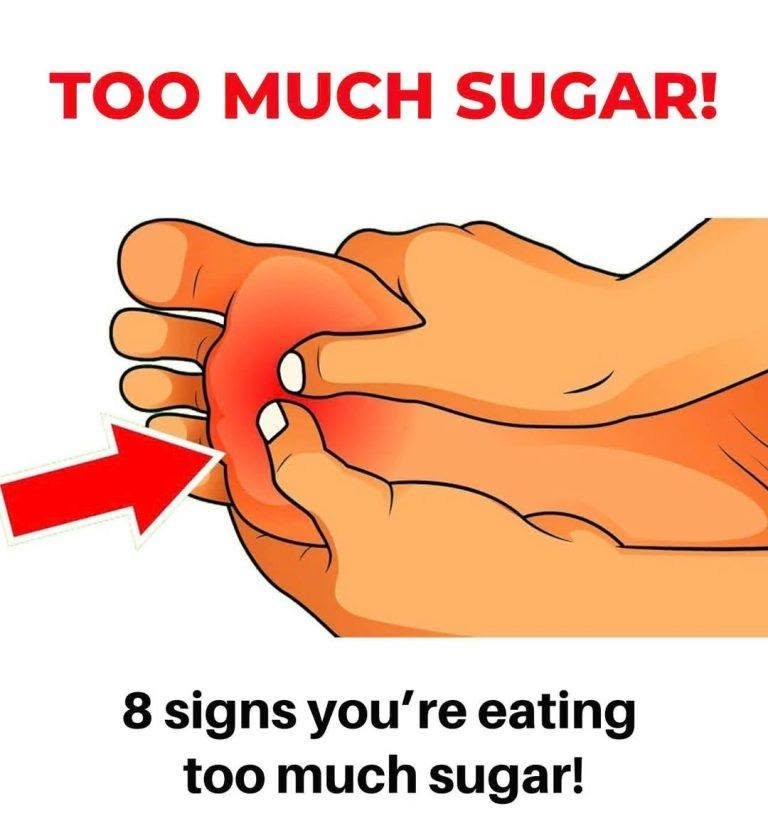
Tingling, burning, or pain in the feet — Diabetic nerve damage can cause symptoms that are particularly bothersome at night.
C
CDC
Don’t rely on symptoms alone
Type 2 diabetes can develop gradually and many people have few or no symptoms. The only reliable way to determine whether your blood sugar is too high is appropriate glucose testing.
C
CDC
+1
If you have very high glucose along with vomiting, abdominal pain, fruity-smelling breath, rapid/deep breathing, severe weakness, or confusion, seek urgent medical care because these can be signs of diabetic ketoacidosis.
C
CDC
+1
N
C
Sources