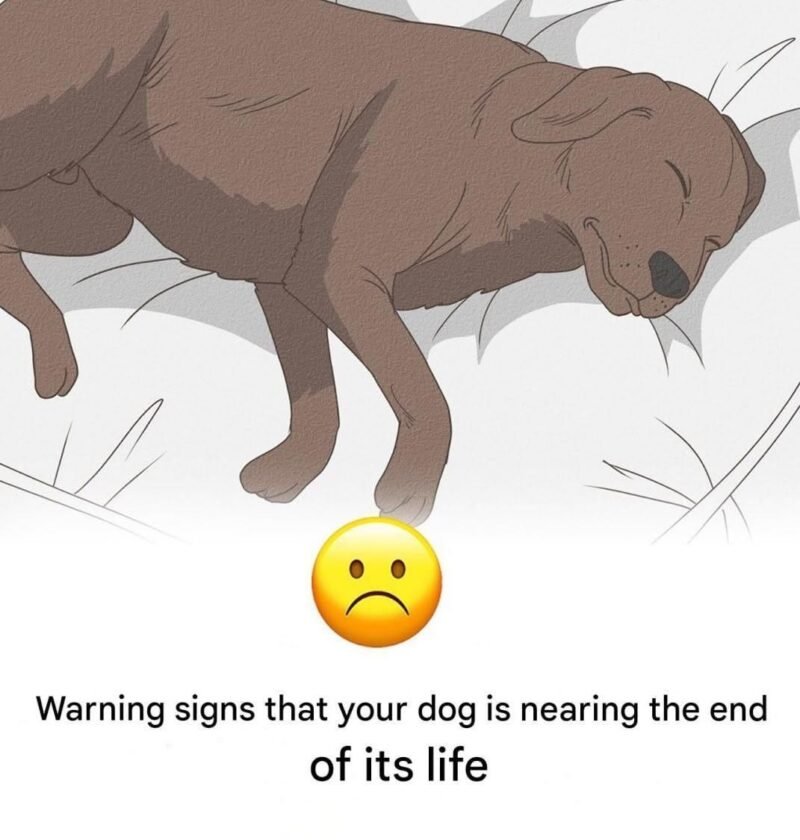
When articles use teaser lines like “11 Signs Your Dog is Nearing the End of His Life… See more,” they are tapping into one of the most painful and emotional worries a pet owner can face. Recognizing when an aging or ill dog is reaching their final days is heartbreaking, but understanding the physical and behavioral shifts can help you keep them comfortable and make informed decisions with your veterinarian.
Veterinarians and animal behaviorists generally look for a combination of systemic changes when a dog’s body is winding down.
Key Signs a Dog Is Nearing the End of Life
-
1. Extreme Lethargy and Constant Sleeping: While senior dogs naturally sleep more, a dog nearing the end of life will spend most of their time completely unresponsive to their usual cues, showing a severe lack of energy and struggling or refusing to get up.
-
2. Loss of Appetite and Thirst: A dramatic drop in interest toward food and water is very common as internal organs begin to slow down. They may completely refuse meals or treats that they once loved.
-
3. Severe Mobility Decline and Muscle Wasting: Sarcopenia (muscle loss) and advanced joint pain make it difficult or impossible for them to stand, walk, or maintain their balance. They may collapse when trying to rise.
-
4. Social Withdrawal or Seeking Isolation: Dogs in their final stages will often retreat to quiet, hidden corners of the house—such as under a bed, in a closet, or away from family activity—instinctively withdrawing from their pack.
-
5. Loss of Bladder and Bowel Control (Incontinence): Due to extreme physical weakness, neurological decline, or organ failure, dogs often lose control of their bodily functions, leading to frequent accidents where they lie.
-
6. Noticeable Changes in Breathing: Breathing patterns may become irregular, shallow, unusually fast, or labored. You might notice long pauses between breaths or deep, heavy sighs.
-
7. Unmanaged Pain or Agitation: Signs of chronic discomfort include excessive panting while completely at rest, whimpering, restlessness, pacing, or an inability to find a comfortable position.
-
8. Drastic Weight Loss and Muscle Atrophy: Even if they occasionally nibble on food, their body may no longer absorb nutrients properly, leading to a sharp, visible decline in body condition where hips and ribs become prominent.
-
9. Behavioral and Cognitive Shifts: Confusion, staring blankly into space, disorientation in familiar rooms, or uncharacteristic restlessness (especially pacing or whining at night) can signal canine cognitive dysfunction or neurological fatigue.
-
10. Cool Extremities and Pale Gums: As circulation slows down significantly, blood flow concentrates on core vital organs. A dog’s paws, ears, and tail may feel cold to the touch, and their gums may look pale or bluish rather than a healthy pink.
-
11. A Loss of “Spark” or Engagement: Perhaps the most telling sign is a shift in their overall demeanor. The bright, responsive expression that defines your dog’s personality fades, and they show no reaction to the things that used to bring them joy.
Assessing Quality of Life
When evaluating an aging companion, many veterinarians recommend using quality-of-life scales (such as the Hôscale or evaluating “more good days than bad”) to measure parameters like hurt, hunger, hydration, and happiness. If your dog is experiencing several of these signs concurrently with unmanaged pain, scheduling a consultation with a veterinarian can help determine the most compassionate path forward.
Are you caring for an older dog right now and trying to navigate some difficult changes in their health