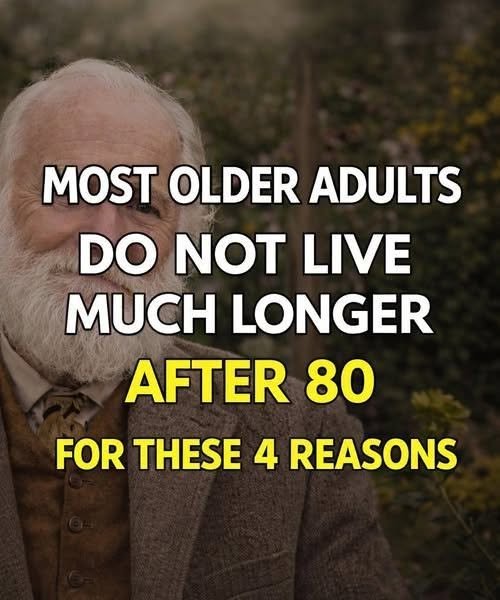
While headlines suggesting that older adults “don’t live much past 80” lean heavily into sensationalism, they point to a real biological threshold. Globally, average life expectancy at birth hovers in the mid-to-high 70s, meaning that reaching 80 is a major milestone—and the years beyond are heavily influenced by cumulative physiological wear-and-tear.
Gerontology and cardiovascular medicine show that when health declines later in life, it is rarely due to a single cause. Instead, it typically stems from a combination of interconnected systemic factors.
4 Major Drivers Affecting Longevity Past 80
-
1. Cardiovascular Disease and Arterial Stiffening: Over decades, blood vessels naturally lose elasticity, and plaque buildup (atherosclerosis) increases the risk of high blood pressure, heart attacks, and strokes. Cardiovascular complications remain the leading cause of mortality in older populations.
-
2. Progressive Cellular and Immune Decline (Immunosenescence): As we age, our immune system gradually becomes less efficient at fighting off infections, meaning common illnesses like pneumonia or severe seasonal flu carry a much higher risk of serious complications for someone in their 80s than they do for a younger adult.
-
3. The Cascade of Falls and Frailty: Sarcopenia (the natural loss of muscle mass) and decreased bone density make older adults more vulnerable to accidental falls. A severe fall leading to a hip fracture can trigger a rapid downward spiral in mobility, independence, and overall health.
-
4. Cumulative Chronic Disease and Metabolic Strain: Decades of managing conditions like type 2 diabetes, kidney disease, or chronic obstructive pulmonary disease (COPD) eventually place heavy stress on vital organs, reducing the body’s overall resilience against acute health crises.
Changing the Trajectory
While aging brings biological challenges, research consistently shows that reaching and thriving past 80 isn’t purely up to genetics. Maintaining regular physical activity, managing blood pressure, staying socially engaged, and eating a nutrient-dense diet play a massive role in preserving healthspan well into later life.
Were you looking into longevity and healthy aging habits for a family member, or exploring general health statistics?