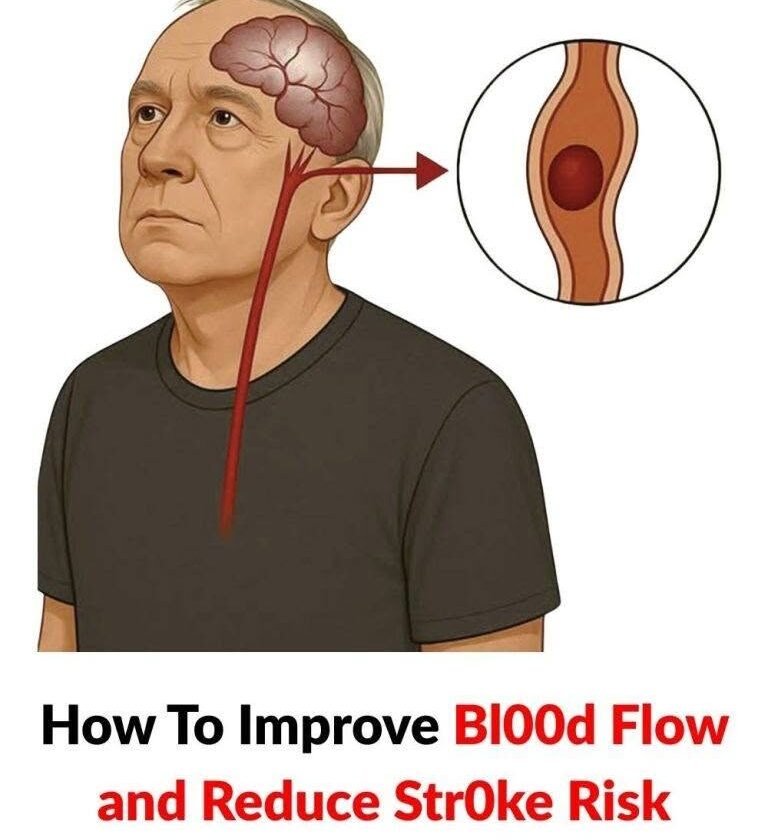
While wellness headlines love to frame simple movements as miraculous cures that completely eliminate stroke risk, regular physical activity is genuinely one of the most powerful tools for long-term cardiovascular health. Movement directly improves circulation, helps regulate blood pressure, and keeps blood vessels flexible.
Here are five simple, effective exercises backed by cardiology and physical therapy that improve blood flow and support vascular health:
1. Brisk Walking
-
Why it helps: Walking is a low-impact aerobic exercise that gets your heart pumping at a steady rate, encouraging blood vessels to dilate and improving overall systemic circulation. Regular walking is consistently linked to lower blood pressure and reduced stroke risk.
-
How to do it: Aim for a pace where you can talk, but not sing, for 20 to 30 minutes most days of the week.
2. Calf Raises (The “Soleus Push-Up” Motion)
-
Why it helps: Your lower legs—specifically the calf muscles—act as a secondary pump for your circulatory system, pushing blood back up against gravity toward your heart. Activating these muscles helps prevent venous pooling in the lower extremities and boosts peripheral blood flow.
-
How to do it: Stand behind a chair for balance, rise up onto your toes as high as you comfortably can, and slowly lower back down. Repeat for 10 to 15 repetitions.
3. Stationary Cycling or Recumbent Biking
-
Why it helps: Cycling is fantastic for cardiovascular endurance without putting excessive stress on your knee and hip joints. It increases cardiac output and encourages steady blood flow to the lower body.
-
How to do it: Spend 15 to 20 minutes at a moderate, comfortable resistance level while maintaining steady breathing.
4. Chair Squats or Sit-to-Stands
-
Why it helps: Working large muscle groups in the thighs and glutes demands increased oxygenated blood flow and helps improve metabolic health, insulin sensitivity, and blood pressure regulation.
-
How to do it: Stand in front of a sturdy chair, lower your hips back and down until you gently touch the seat, and push back up to a standing position without using your hands if possible. Aim for 8 to 12 repetitions.
5. Deep Diaphragmatic Breathing Exercises
-
Why it helps: While not a traditional physical workout, controlled deep breathing stimulates the vagus nerve, lowers stress hormones like cortisol, and helps relax blood vessel walls, contributing to better blood pressure control.
-
How to do it: Sit comfortably, place one hand on your abdomen, inhale deeply through your nose so your belly rises, and exhale slowly through your mouth for a count of five. Repeat for a few minutes.
The Bigger Picture on Stroke Prevention
While exercise significantly reduces stroke risk by managing major risk factors like high blood pressure, cholesterol, and diabetes, it works best alongside a balanced diet, proper hydration, not smoking, and regular medical checkups.
Do you currently incorporate regular daily walks or other forms of movement into your routine?