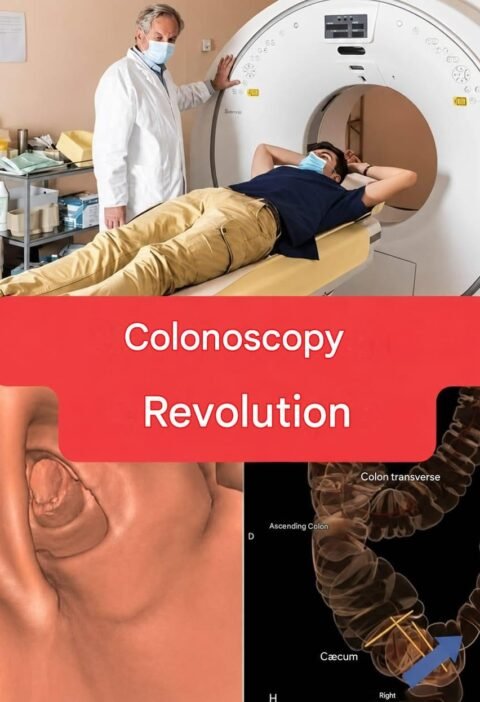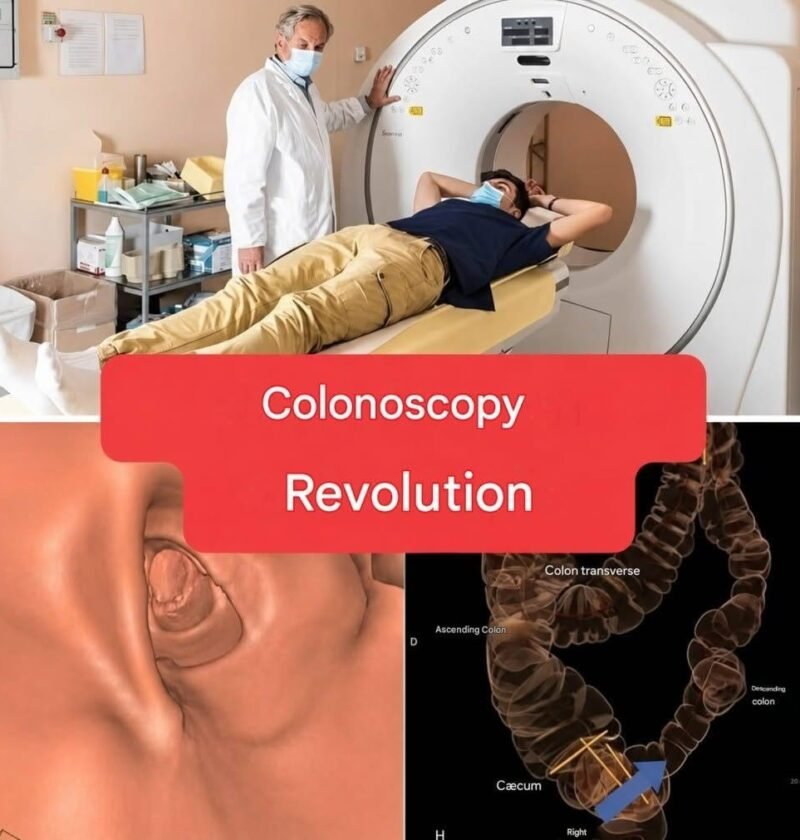
Several alternatives and improvements are changing how doctors screen for colorectal issues:
Non-Invasive Screening Alternatives
-
Advanced Stool-Based Tests (FIT-DNA and Microbiome Testing): Newer generation stool tests look for DNA changes or specific biomarkers and gut bacteria patterns associated with cancer. Recent breakthroughs using AI and microbiome subspecies mapping can identify markers of colorectal cancer with high accuracy, offering a completely non-invasive at-home option.
-
Blood-Based Screening Tests: FDA-approved blood tests (such as cell-free DNA blood screenings) check for specific genetic or methylation patterns linked to colorectal cancer from a simple routine blood draw.
-
Virtual Colonoscopy (CT Colonography): This utilizes advanced low-dose CT scanning to generate 2D and 3D images of the interior of the colon without a scope or heavy sedation, though it still typically requires bowel preparation.
The Catch: Screening vs. Diagnostic Treatment
While these non-invasive methods are fantastic for screening average-risk individuals, traditional colonoscopy remains the gold standard because of one crucial difference: actionability.
If a stool test, blood test, or virtual scan detects something suspicious, a standard, invasive colonoscopy is still required so the doctor can physically biopsy tissue or remove precancerous polyps on the spot.
Are you looking into non-invasive options for a routine screening, or did you see a specific new test mentioned in the news?