What Is the Normal Blood Pressure for Each Age?
Blood pressure is an important measure of heart and blood vessel health. It naturally changes throughout life, but there is an important misconception about blood pressure and age: adults do not necessarily have a higher “normal” blood pressure simply because they are older.
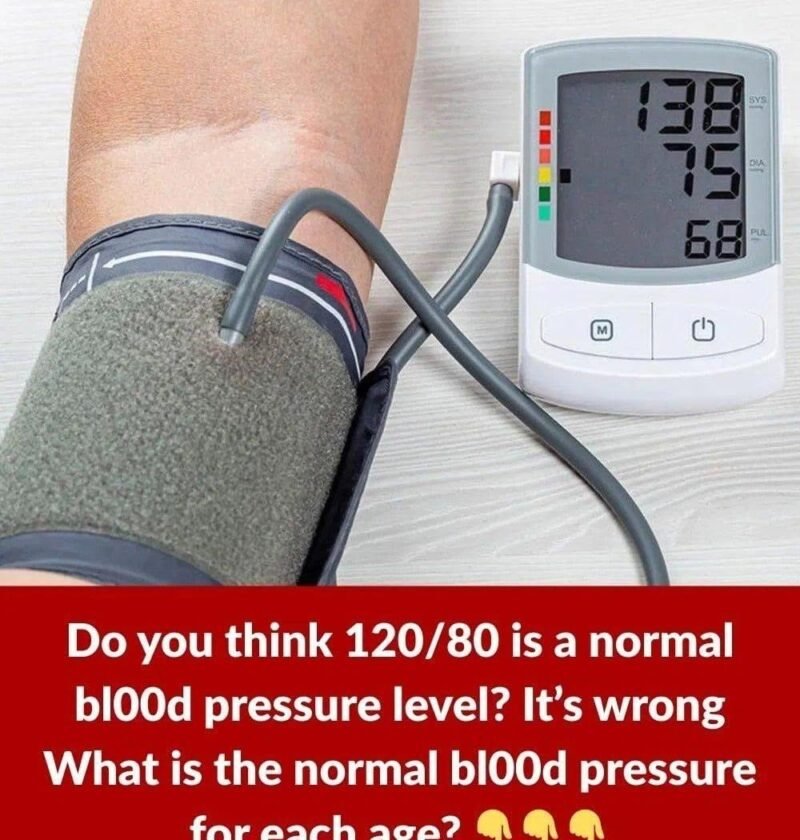
According to the 2025 American Heart Association and American College of Cardiology guideline, normal blood pressure for adults is generally defined as less than 120/80 mmHg. Blood pressure should be interpreted using properly measured and repeated readings rather than a single measurement.
A
American Heart Association Journals
+1
Understanding Blood Pressure Numbers
A blood pressure reading contains two numbers. The first, or systolic number, measures the pressure in the arteries when the heart beats. The second, or diastolic number, measures the pressure when the heart rests between beats.
For example, a reading of 118/76 mmHg means a systolic pressure of 118 and a diastolic pressure of 76.
Normal Blood Pressure by Age
For adults, the same general normal range applies across different age groups.
Children
Blood pressure in children is different from that in adults. For children ages 1 through 12, blood pressure is evaluated according to age, sex, and height. A reading below the 90th percentile is generally considered normal.
A
AAP Publications
+1
This means there is no single blood pressure number that can be called normal for every child of a particular age.
Teenagers
For adolescents aged 13 years and older, normal blood pressure is generally defined as less than 120/80 mmHg.
A
AAP Publications
Adults Ages 18 to 39
For adults in this age group, normal blood pressure is less than 120/80 mmHg. Maintaining healthy eating habits, regular physical activity, a healthy weight, and appropriate sodium intake can help support healthy blood pressure.
Adults Ages 40 to 59
The normal adult range remains less than 120/80 mmHg. However, blood pressure can become more likely to rise with age, so regular monitoring becomes increasingly important.
Adults Ages 60 to 79
There is not a separate higher “normal” blood pressure range simply because someone is over 60. A reading below 120/80 mmHg remains within the normal adult category, although treatment goals may be individualized depending on a person’s overall health and medical circumstances.
Adults Age 80 and Older
Older adults also do not automatically have a higher normal blood pressure target. Healthcare professionals may individualize treatment and monitoring based on overall health, medications, frailty, and other medical factors.
Blood Pressure Categories for Adults
The current adult categories are:
Normal: Less than 120/80 mmHg
Elevated: 120–129 systolic and less than 80 diastolic
Stage 1 hypertension: 130–139 systolic or 80–89 diastolic
Stage 2 hypertension: 140 or higher systolic or 90 or higher diastolic
A
American Heart Association Journals
+1
A diagnosis of hypertension should not usually be based on one isolated reading. Repeated, properly measured readings provide a more reliable assessment.
A
American Heart Association Journals
Why Blood Pressure Can Rise With Age
Although higher blood pressure is not considered “normal” simply because a person is older, blood pressure often increases with age. Changes in blood vessels, lifestyle factors, weight, diet, physical activity, and other health conditions can contribute to this increase.
For this reason, adults should have their blood pressure checked regularly rather than assuming that a higher reading is normal for their age.
When Is Blood Pressure Too High?
A reading of 140/90 mmHg or higher falls into the stage 2 hypertension category under the current adult guideline. Persistent readings in this range should be discussed with a healthcare professional.
A
American Heart Association Journals
Blood pressure above 180/120 mmHg is considered severe. If a very high reading is accompanied by symptoms such as chest pain, shortness of breath, weakness, vision changes, back pain, or difficulty speaking, emergency medical care is needed.
W
www.heart.org
How to Keep Blood Pressure Healthy
Healthy lifestyle habits can help prevent or manage high blood pressure. These include maintaining a healthy weight, eating a heart-healthy diet, limiting sodium, getting regular physical activity, managing stress, and avoiding excessive alcohol consumption.
P
professional.heart.org
The Bottom Line
There is no single normal blood pressure number for every age. For most adults, less than 120/80 mmHg is considered normal, whether a person is 25, 45, 65, or 85 years old.
Children are different because their normal blood pressure depends on age, sex, and height. If your blood pressure is repeatedly above the normal range, do not assume that it is simply a normal part of getting older. Discuss your readings with a healthcare professional for an appropriate assessment.