If you’re asking about the topic “9 Warning Signs Your Kidneys Are Failing | Tests to Avoid Dialysis,” here’s the medically accurate version:
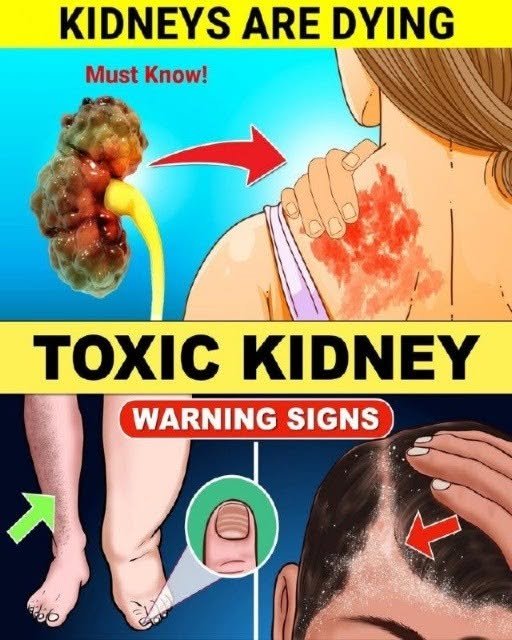
9 warning signs of advanced kidney disease
- Swelling in the feet, ankles, legs, hands, or around the eyes from fluid buildup.
- Marked tiredness or weakness, sometimes related to anemia or waste buildup.
- Nausea, vomiting, or loss of appetite.
- Changes in urination — much less urine, or sometimes increased urination, particularly at night.
- Itching that can become significant in advanced kidney disease.
- Muscle cramps, weakness, or numbness.
- Trouble sleeping.
- Difficulty concentrating, confusion, or memory problems in severe disease.
- Unexplained weight loss or a persistent feeling of being unwell.
Important: Early chronic kidney disease often causes no symptoms at all, so waiting for warning signs is not a reliable way to detect kidney damage.
The key tests
The two most important routine markers are:
- Serum creatinine → eGFR: estimates how well the kidneys filter blood.
- Urine albumin-to-creatinine ratio (UACR): detects albumin/protein leaking through damaged kidney filters. A UACR above 30 mg/g is considered abnormal.
An eGFR below 60 for 3 months or longer can indicate chronic kidney disease. An eGFR around 15 or below represents kidney failure and requires assessment for kidney-replacement options.
Can you “avoid dialysis”?
Sometimes progression can be slowed substantially, especially when kidney disease is detected early. Blood-pressure and diabetes control, appropriate medications, dietary management, avoiding kidney-harming drugs such as unnecessary NSAIDs, and regular monitoring can help protect remaining kidney function.
But there is no guaranteed test, food, supplement, or home remedy that can prevent dialysis once irreversible kidney failure has developed. Dialysis is not started simply because someone has one abnormal creatinine result; doctors consider kidney function, symptoms, complications, and the overall clinical situation.
If you give me your creatinine, eGFR, UACR, potassium, age, and blood-pressure readings, I can explain what the numbers generally mean and which ones deserve prompt medical attention.