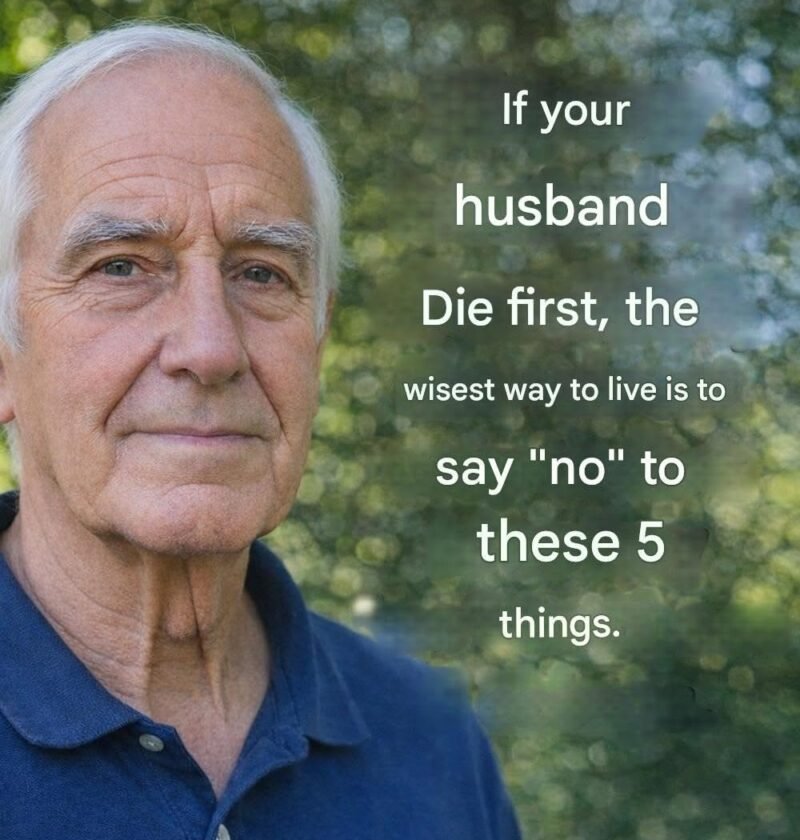
If you’re fact-checking this advice, there is no guaranteed formula for coping with the death of a partner, but several practical steps can make the transition after 60 safer and more manageable.
5 mistakes to avoid after losing a partner
- Making major financial decisions while overwhelmed
Give yourself time before selling a home, making large investments, or making other irreversible decisions. Get independent financial or legal advice when appropriate. - Isolating yourself completely
Grief can make social contact difficult, but maintaining connections with family, friends, neighbors, or a support group can provide important emotional and practical support. - Neglecting your physical health
Keep medical appointments, take prescribed medicines as directed, eat regularly, stay physically active as you’re able, and maintain a reasonable sleep routine. - Ignoring practical paperwork
Gradually address important matters such as bills, insurance, bank accounts, wills, beneficiaries, property, and other documents. You don’t have to handle everything at once. - Believing you must “move on” quickly
Grief doesn’t follow a fixed timetable. It’s normal for emotions to come in waves, and there is no required deadline for feeling better or rebuilding your routine.
One important point: “Living peacefully and strongly” doesn’t mean avoiding sadness. Grief after losing a long-term partner can be profound, and seeking professional grief counseling is a sign of support—not weakness—if coping becomes difficult.