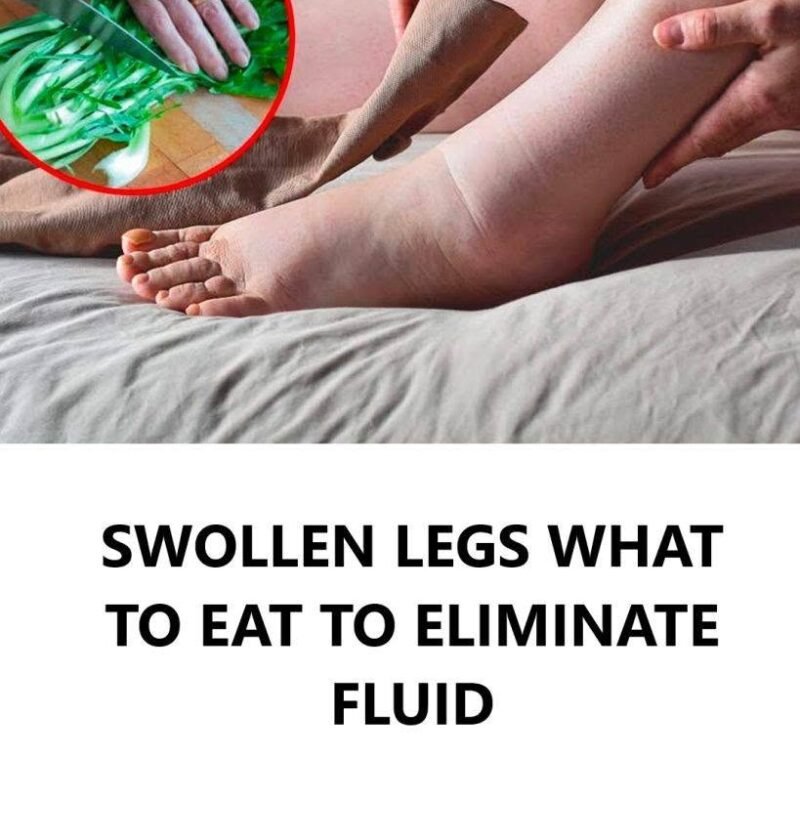
If you’re fact-checking this topic, water retention (edema) isn’t something that should simply be “eliminated” without identifying its cause. It means excess fluid has accumulated in body tissues, commonly causing swelling in the feet, ankles, legs, hands, or sometimes the abdomen. (Mayo Clinic)
Common causes
- Eating a lot of salt
- Sitting or standing in one position for a long time
- Pregnancy
- Certain medications, including some blood-pressure medicines, steroids, hormones, and anti-inflammatory drugs
- Varicose veins or poor circulation
- Kidney, liver, or heart problems
- Lymphatic-system problems
- A blood clot, particularly when swelling appears suddenly in one leg (Mayo Clinic)
What can help mild swelling
- Reduce excessive dietary salt.
- Take regular gentle walks rather than remaining stationary for long periods.
- Elevate swollen legs or arms when resting.
- Avoid tight clothing and footwear.
- Compression garments may help some people, but they’re not appropriate for every cause of swelling. (nhs.uk)
Don’t start “water pills” or deliberately restrict fluids on your own. Diuretics are sometimes prescribed for edema, but the appropriate treatment depends on the underlying cause and can cause dehydration or electrolyte abnormalities. (Mayo Clinic)
When it needs medical attention
Sudden or severe swelling, unexplained swelling in one limb, redness/warmth, or swelling involving several parts of the body should be medically assessed. Swelling accompanied by chest pain or difficulty breathing requires emergency care. (Mayo Clinic)
So a more accurate headline would be: “Water Retention: Common Causes, Safe Ways to Reduce Swelling, and When to See a Doctor.”