Sarcopenia: Causes of Muscle Loss and Solutions
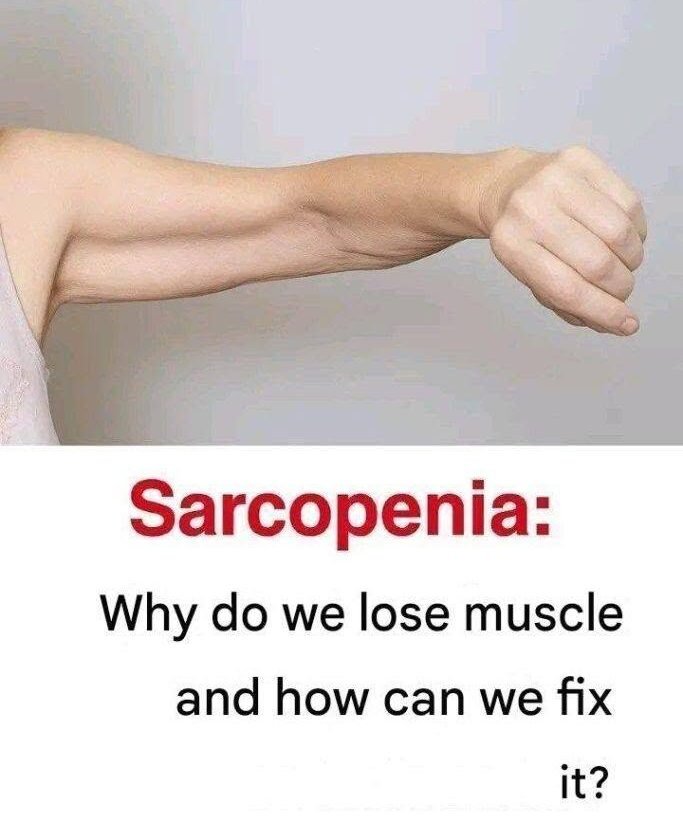
Sarcopenia is the gradual loss of muscle mass, strength, and physical performance that commonly occurs with aging. It can make everyday activities—such as climbing stairs, getting out of a chair, carrying groceries, or maintaining balance—more difficult. The good news is that muscle loss is not an unavoidable part of aging, and many people can improve strength and function with appropriate lifestyle changes.
Common Causes of Sarcopenia
1. Aging
As we get older, the body becomes less efficient at building and maintaining muscle. Hormonal changes and reduced muscle-protein synthesis can contribute to gradual muscle loss.
2. Physical inactivity
Long periods of sitting or inactivity can accelerate muscle loss. Hospitalization, bed rest, or spending much of the day sedentary can have a particularly strong effect.
3. Inadequate protein and nutrition
Muscles need adequate protein and overall nutrition to repair and maintain themselves. Eating too little protein or calories can contribute to muscle loss.
4. Chronic diseases
Conditions such as diabetes, heart disease, kidney disease, and inflammatory illnesses can increase the risk of muscle loss.
5. Hormonal changes
Changes in hormones—including testosterone, estrogen, and growth-related hormones—can affect muscle maintenance as we age.
6. Vitamin and nutrient deficiencies
Inadequate intake of certain nutrients, including vitamin D in some people, may contribute to poor muscle function.
7. Prolonged inactivity after illness or injury
A period of reduced movement can cause noticeable loss of strength, particularly in older adults.
What Can Help Prevent or Manage Sarcopenia?
🏋️ 1. Do Resistance Exercise
Strength training is one of the most important strategies for maintaining muscle.
Examples include:
- Sit-to-stand exercises
- Squats or supported squats
- Resistance-band exercises
- Light weights
- Leg raises
- Wall push-ups
Older adults who are new to exercise or have significant weakness should start gradually and consider guidance from a healthcare professional or physical therapist