Here’s a detailed, easy-to-understand version suitable for an educational post, presentation, or handout:
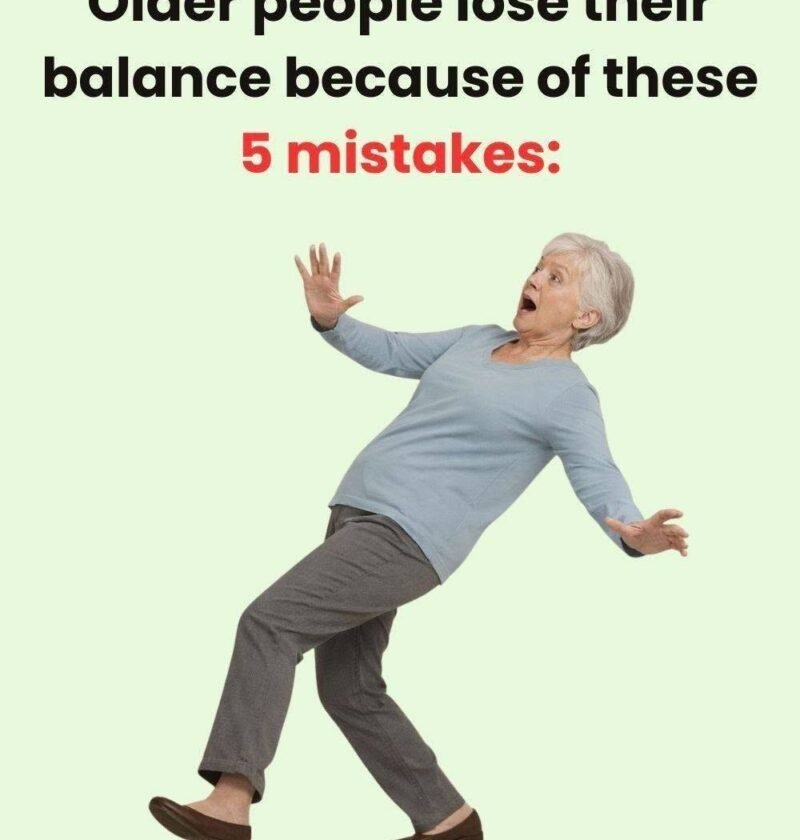
Common Mistakes That Affect Balance in Older Adults
Good balance is essential for staying independent and preventing falls. As we age, changes in muscle strength, vision, reaction time, and coordination can naturally affect balance. However, certain everyday habits can make balance problems worse.
1. Not Exercising Regularly
Lack of physical activity can lead to weaker leg and core muscles. Poor muscle strength makes it harder to maintain stability while walking, standing, or changing direction.
Better approach: Include safe exercises such as walking, leg strengthening, and balance exercises as appropriate.
2. Getting Up Too Quickly
Standing suddenly from a bed or chair can sometimes cause dizziness or lightheadedness, particularly in older adults.
Better approach: Sit on the edge of the bed for a moment, move your feet, and stand up slowly. If dizziness occurs frequently, discuss it with a healthcare professional.
3. Wearing Unsafe Footwear
Loose slippers, high heels, worn-out shoes, or footwear with poor grip can increase the risk of slipping or losing balance.
Better approach: Choose well-fitting, supportive shoes with non-slip soles.
4. Ignoring Vision Problems
Poor vision can make it difficult to identify obstacles, steps, uneven surfaces, or changes in flooring.
Better approach: Have vision checked regularly and use prescribed glasses or other visual aids correctly.
5. Walking in Poorly Lit Areas
Dim lighting makes it harder to see obstacles and changes in floor level, especially at night.
Better approach: Keep hallways, stairs, bedrooms, and bathrooms adequately lit. Consider a night-light for nighttime trips to the bathroom.
6. Holding Onto Unstable Furniture
Using lightweight chairs, tables, rolling furniture, or other unstable objects for support can result in a fall.
Better approach: Use properly installed grab bars and sturdy handrails where support is needed.
7. Climbing on Chairs or Stools
Standing on chairs, stools, or other unstable surfaces to reach high objects significantly increases the risk of falling.
Better approach: Keep frequently used items within easy reach and use a stable step stool with appropriate support when necessary.
8. Rushing While Walking
Walking too quickly, especially when turning, getting to the bathroom, or responding to a phone or doorbell, can increase the chance of losing balance.
Better approach: Slow down, take deliberate steps, and use available support when needed.
9. Carrying Too Many Things
Carrying heavy or bulky objects can block the view of the floor and make it difficult to use a handrail or maintain stability.
Better approach: Carry smaller loads, use a bag that leaves your hands free, or make several trips.
10. Leaving Clutter on the Floor
Rugs, electrical cords, shoes, toys, boxes, and other objects can become tripping hazards.
Better approach: Keep walking paths clear and secure or remove loose rugs and cords.
11. Ignoring Dizziness or Weakness
Repeated dizziness, unsteadiness, or unexplained weakness should not simply be considered a normal part of aging. These symptoms may have an underlying cause.
Better approach: Tell a healthcare professional about recurring symptoms, especially if they are new, worsening, or associated with falls.
12. Not Reviewing Medications
Some medicines can cause side effects such as dizziness, drowsiness, or a drop in blood pressure, which may affect balance.
Better approach: Ask a doctor or pharmacist to periodically review all prescription medicines, over-the-counter medicines, and supplements. Never stop a prescribed medication without medical advice.
13. Neglecting Muscle Strength
Weakness in the legs, hips, and trunk can make everyday movements more difficult and reduce stability.
Better approach: Participate in an appropriate strength-training program, ideally one recommended by a healthcare professional or physical therapist when balance is already impaired.
14. Using Walking Aids Incorrectly
A cane or walker can improve safety when appropriately selected and fitted, but incorrect use can actually make walking less stable.
Better approach: Have a healthcare professional assess the need for a walking aid and teach the correct technique.
15. Trying to Do Everything Alone
Some older adults avoid asking for help because they want to remain independent. However, attempting risky activities alone can increase the chance of injury.
Better approach: Ask for assistance with activities that are difficult or unsafe, such as climbing stairs, bathing, or reaching high shelves.
How to Protect Balance as We Age
Simple steps can make a significant difference:
- Stay physically active and work on strength and balance.
- Wear supportive, well-fitting footwear.
- Keep floors and walkways free of obstacles.
- Improve lighting throughout the home.
- Install sturdy handrails and grab bars where appropriate.
- Keep regular eye examinations.
- Review medications with a healthcare professional.
- Rise slowly from sitting or lying down.
- Address dizziness, weakness, or repeated falls promptly.
- Use prescribed glasses and mobility aids correctly.
- Ask for help when an activity is unsafe to perform alone.
Remember
Falls are not an inevitable part of aging. Many fall risks can be identified and reduced. If an older adult has repeated falls, significant dizziness, new difficulty walking, or a sudden change in balance, medical evaluation is important to determine the underlying cause.