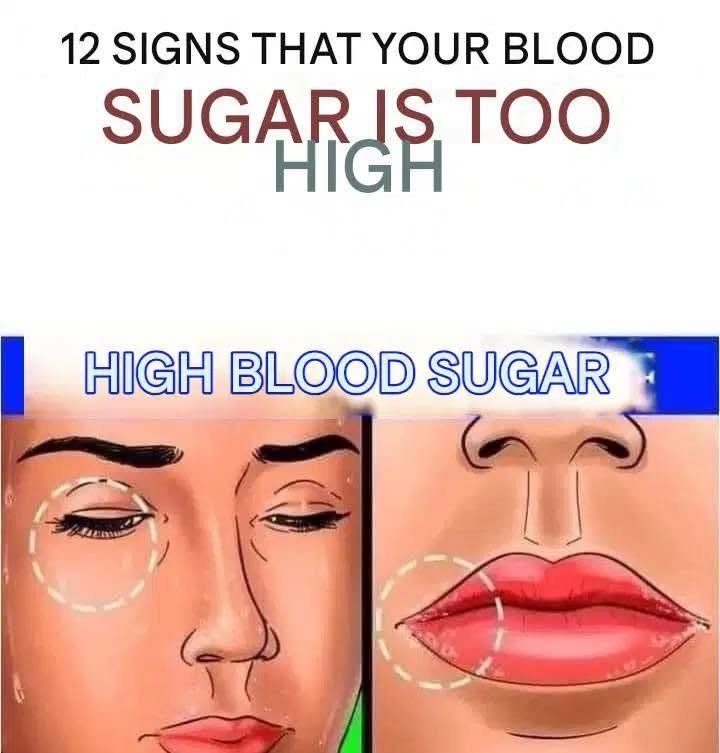
If you’re referring to the headline “The High-Sugar Alert: Recognizing the 12 Key Symptoms Your Body Is Showing You,” it’s important to distinguish high blood sugar (hyperglycemia) from simply eating too much sugar. Symptoms can suggest that glucose is elevated, but they cannot diagnose diabetes. Many people with type 2 diabetes have few or no symptoms.
N
NIDDK
+1
12 symptoms to watch for
Frequent urination
Excessive thirst
Increased hunger
Unusual tiredness or weakness
Blurred vision
Unexplained weight loss
Dry mouth or dehydration
Frequent urinary, skin, or yeast infections
Cuts or sores that heal slowly
Tingling or numbness in the hands or feet
Headaches
Irritability or mood changes
The first seven are particularly recognized symptoms of diabetes or hyperglycemia; nerve symptoms such as tingling/numbness and recurrent infections can also occur with diabetes.
N
NIDDK
+2
What to do
If you’re experiencing several of these symptoms, don’t assume they’re simply from eating sweets. A blood-glucose test and/or HbA1c test can determine whether you have diabetes or prediabetes.
N
NIDDK
🚨 Get urgent help if
Very high blood sugar accompanied by vomiting, abdominal pain, fruity-smelling breath, rapid/deep breathing, severe weakness, confusion, or loss of consciousness can indicate diabetic ketoacidosis, a medical emergency.
C
CDC
Also, having no symptoms does not guarantee normal blood sugar—type 2 diabetes can develop silently for years.
N
NIDDK
N
C
Sources