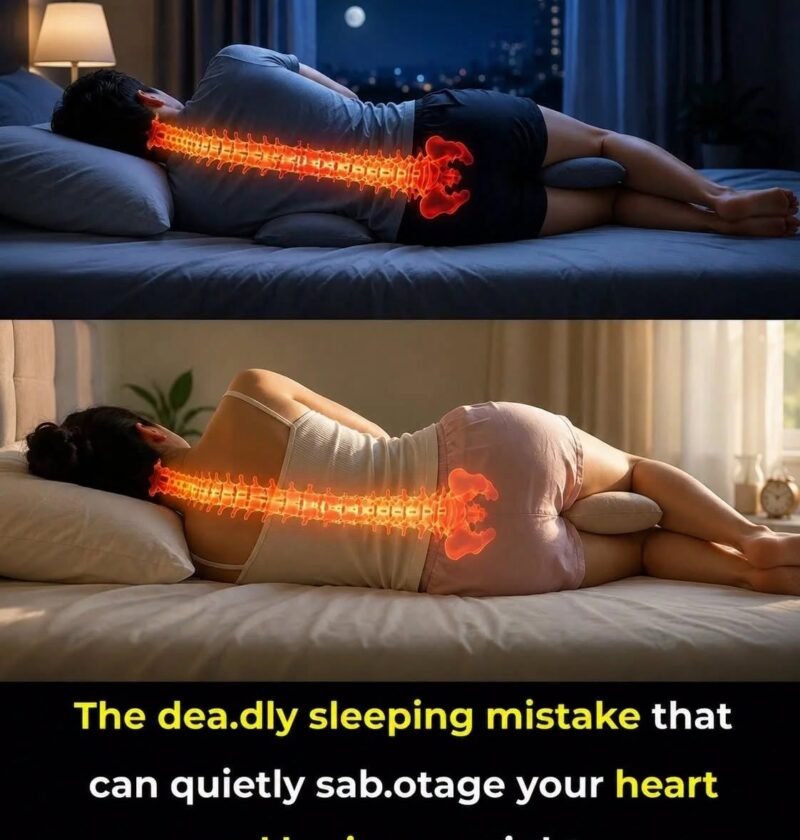
One sleep mistake that can affect both heart and brain health is consistently getting too little or poor-quality sleep.
Most adults need at least 7 hours of sleep per night. Chronic insufficient sleep is associated with higher risks of high blood pressure, heart disease and stroke, while disturbed sleep can also affect attention, memory and long-term brain health.
C
CDC
+1
Another important warning sign is sleep apnea—particularly loud snoring, pauses in breathing, gasping during sleep, or excessive daytime sleepiness. Untreated sleep apnea can increase the risk of high blood pressure, heart attack and stroke.
N
NHLBI, NIH
+1
The simple fix: aim for a consistent sleep schedule and 7–9 hours of quality sleep, and speak with a healthcare professional if you regularly snore loudly or wake up gasping.
C
CDC
+1
C
N
Sources