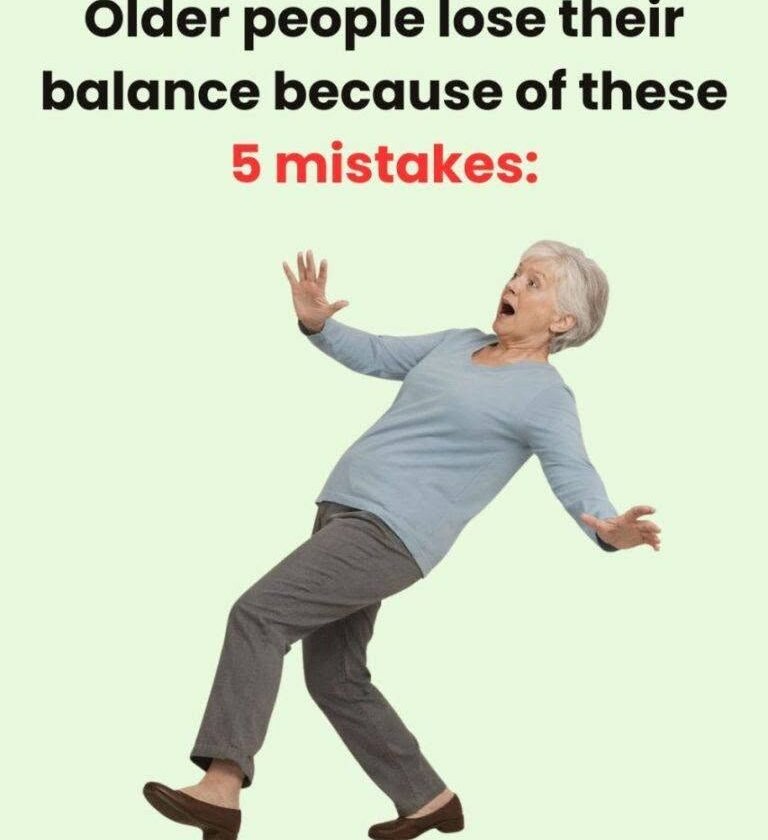
Common Mistakes That Can Affect Balance in Older Adults
Balance problems aren’t an inevitable part of aging, but several everyday habits and health issues can increase the risk of dizziness, instability and falls.
1. 💊 Ignoring medication side effects
Some medicines can cause dizziness, blurred vision, drowsiness or slower reactions. Taking multiple medications can increase the likelihood of side effects. Have your complete medication list reviewed periodically rather than stopping anything yourself.
2. 🧍 Standing up too quickly
A sudden drop in blood pressure when standing can make you lightheaded or unsteady. Rise slowly, especially after sitting or lying down.
3. 🛋️ Becoming too inactive
Avoiding activity because you’re afraid of falling can actually contribute to weaker muscles and poorer balance. Appropriate strength and balance exercises, sometimes with physical therapy or tai chi, can help.
4. 👓 Neglecting vision and hearing
Poor vision can make obstacles and changes in floor height harder to detect. Balance can also be affected by certain inner-ear problems. Regular vision and hearing checks are worthwhile.
5. 👟 Wearing unsafe footwear
Walking in socks or smooth-soled slippers can increase slipping risk. Choose well-fitting footwear with good traction and low, stable heels.
6. 🏠 Leaving fall hazards around the house
Loose rugs, clutter, electrical cords, poor lighting and slippery bathroom surfaces can turn an ordinary walk into a fall. Secure carpets, improve lighting and consider grab bars and nonslip surfaces in the bathroom.
7. 🍷 Drinking alcohol when balance is already poor
Alcohol can affect the inner ear and coordination and can make dizziness and balance problems worse.
8. 🩺 Ignoring recurring dizziness or unsteadiness
Repeated balance problems can sometimes result from medications, inner-ear disorders, diabetes, heart disease, stroke, thyroid problems, vision problems or neurological conditions. Persistent or new symptoms deserve medical evaluation.
🚨 Seek urgent help for sudden balance problems
A sudden loss of balance—especially together with facial drooping, one-sided weakness or numbness, trouble speaking, vision changes or a severe headache—can be a sign of a stroke and requires emergency medical attention.