What Does the Color of Your Urine Say About Your Health?
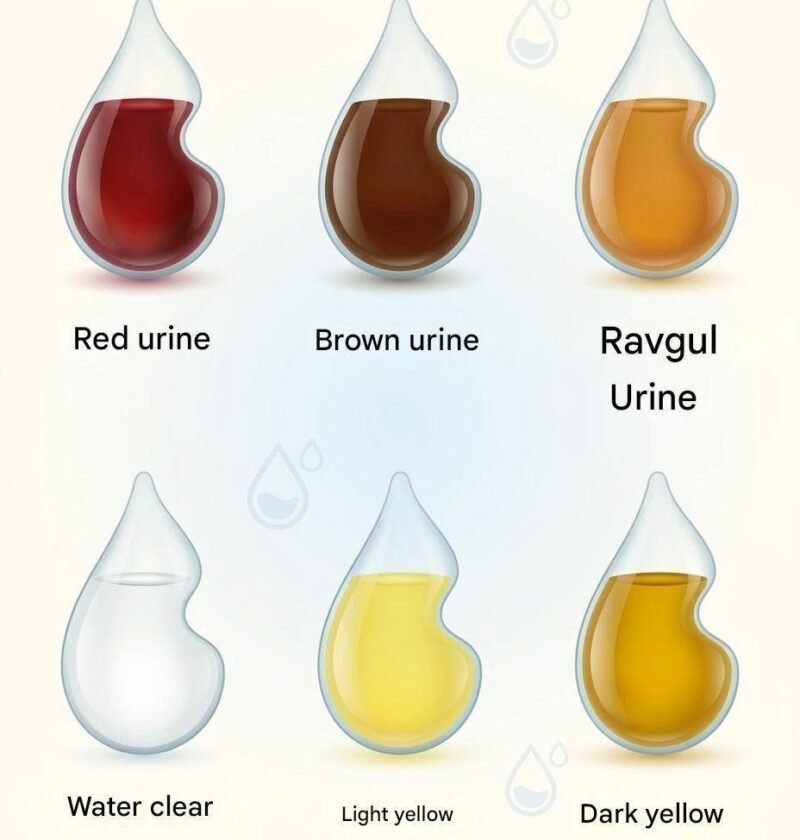
Urine color can provide clues, but it can’t diagnose a medical condition by itself. Normal urine generally ranges from clear to pale yellow, with darker yellow usually indicating more concentrated urine.
🟡 Pale yellow
Usually a sign of adequate hydration.
🟠 Dark yellow or amber
Often means your urine is concentrated and you may need more fluids. It can also occur after sweating or exercise.
🩷 Pink or red
Sometimes caused by foods such as beets or rhubarb, but it can also indicate blood in the urine from a UTI, kidney stone or another condition. Persistent or unexplained red urine should be medically evaluated.
🟤 Dark brown or cola-colored
Can occur with significant dehydration, certain medications or foods, but can also be associated with liver or kidney problems. Very dark urine after intense exercise can sometimes indicate muscle injury.
🟢 Green or 🔵 blue
Often related to food dyes, medications or medical dyes. Rarely, certain infections or other medical conditions can produce these colors.
☁️ Cloudy or milky
Can occur with a urinary tract infection or kidney stones, although there are other possible explanations.
🫧 Persistently foamy urine
Occasional bubbles are usually harmless, but urine that is consistently very foamy can sometimes indicate excess protein in the urine and should be checked.
🚨 When to get checked
Seek medical advice for unexplained blood in the urine, persistent dark/brown or orange urine, painful urination, fever, side/back pain, or persistent changes in urine appearance.