🥬 “Doctors Reveal That Eating Cabbage Causes…” — What’s the Truth?
That headline is misleading. For most people, cabbage is a nutritious vegetable—not something doctors recommend avoiding.
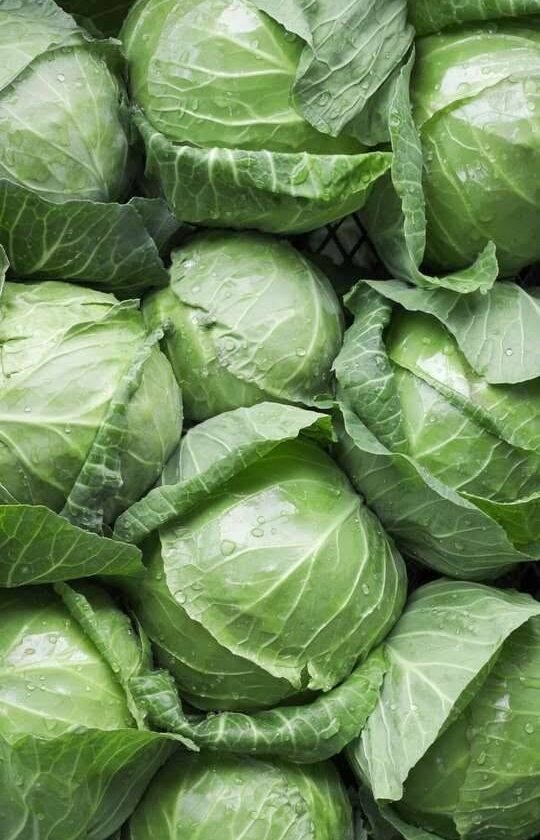
Cabbage is a cruciferous vegetable and provides fiber, vitamin C, vitamin K, folate and other plant compounds. (Cancer.gov)
What can cabbage actually cause?
1. Gas and bloating 💨
Cabbage contains fermentable carbohydrates and fiber that can cause gas or bloating in some people, especially when eaten in large amounts. (Cleveland Clinic)
2. A medication interaction with warfarin 💊
Cabbage contains vitamin K, which plays an important role in blood clotting. If you take warfarin, suddenly eating much more—or much less—cabbage and other vitamin-K-rich foods can affect your INR and the medication’s effectiveness. The recommendation is generally to keep vitamin-K intake consistent, not to eliminate cabbage. (Office of Dietary Supplements)
3. Thyroid concerns are often exaggerated 🦋
Cruciferous vegetables have sometimes been labeled “goitrogenic,” but a 2024 systematic review found that normal dietary consumption generally does not adversely affect thyroid function, particularly when iodine intake is adequate. (PubMed)
🥗 The bottom line
For most people, cabbage can absolutely be part of a healthy diet. If it gives you digestive discomfort, try smaller portions or cooking it rather than eating large amounts raw.
And if you’re taking warfarin, don’t suddenly change your cabbage intake without discussing it with your healthcare professional.
So the missing part of the viral headline isn’t necessarily “cancer,” “arthritis,” or another frightening disease—the real story is much more nuanced.