If you’re asking whether the headline is accurate, there are newer, less-invasive ways to screen for colorectal cancer—but colonoscopy has not been made obsolete.
What’s the “new method”?
One important development is blood-based colorectal-cancer testing. A study reported in August 2026 found that a new blood test detected about 90% of colorectal cancers and 81% of advanced adenomas in the study. However, researchers emphasize that it is still being studied and should not currently be treated as a replacement for colonoscopy or established screening guidelines.
There are also established alternatives:
- FIT stool test: A non-invasive at-home test that looks for hidden blood in stool. A positive result generally requires colonoscopy for follow-up.
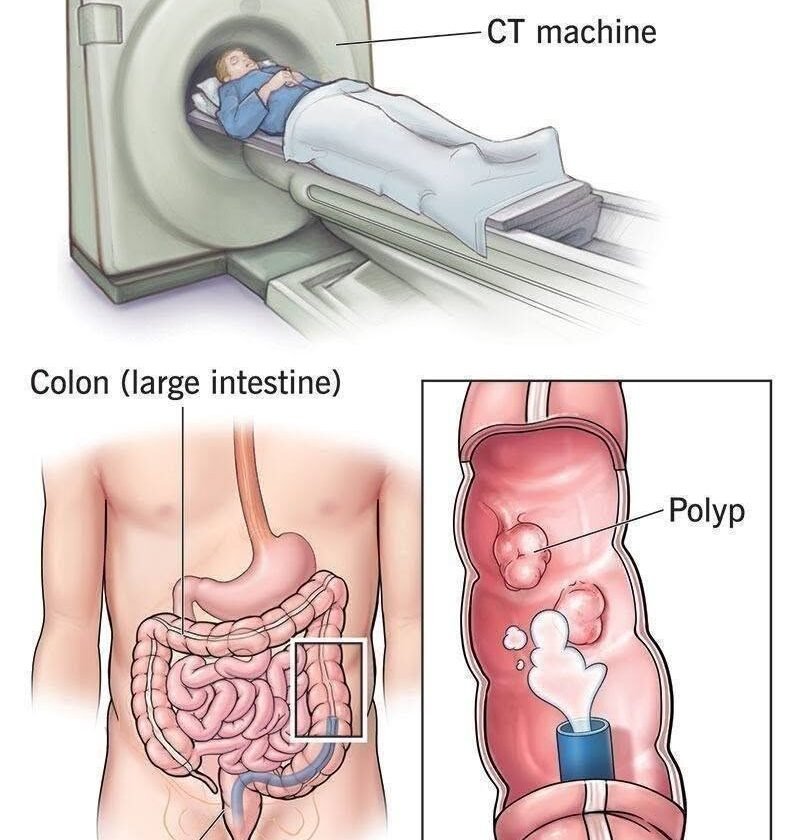
- CT colonography (“virtual colonoscopy”): Uses CT imaging rather than inserting a colonoscope. It is less invasive, but bowel preparation is still generally required, and abnormalities usually require a conventional colonoscopy for biopsy or polyp removal.
- Capsule colonoscopy: A person swallows a camera capsule that passes through the digestive tract. It still requires bowel cleansing and is not currently a general stand-alone screening replacement for average-risk people.
Why colonoscopy still matters
Unlike stool tests and imaging, a conventional colonoscopy can both find and remove precancerous polyps during the same procedure and can obtain tissue for examination. That makes it particularly important when another screening test comes back positive or when symptoms require direct investigation.
Bottom line: “Colonoscopy will no longer be invasive” is misleading. A better headline would be: