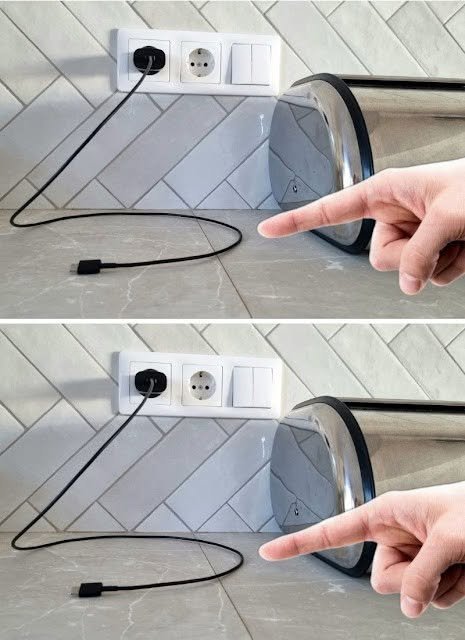
“Never leave a charger in an outlet without your phone” — is this true?
The headline contains some good safety advice, but it’s exaggerated. A modern, reputable charger in good condition generally uses very little electricity when nothing is connected. The bigger concern is faulty, damaged, counterfeit, or poorly made chargers. (Electrical Safety First)
🔌 Three reasonable reasons to unplug it
1. Small amounts of electricity are still consumed
An idle charger can draw a small amount of “standby” power. One charger usually isn’t a major expense, but many chargers left connected continuously can add up. (Good Housekeeping)
2. Faulty or counterfeit chargers can overheat or cause fires
This is the most important concern. Electrical-safety testing has found serious defects in many counterfeit/imitative chargers, including risks of electric shock and fire. (Electrical Safety First)
3. It reduces exposure to damaged equipment
Cables, plugs, sockets and adapters can deteriorate. If a charger becomes unusually hot, makes buzzing/crackling sounds, smells strange, sparks, or shows burn marks, stop using it and unplug it. (Electrical Safety First)
✅ The safer habit
- Use a genuine or reputable compatible charger.
- Keep it uncovered and well ventilated.
- Don’t charge phones under pillows or on beds/sofas.
- Replace damaged cables or adapters.
- Unplug the charger when you’re finished, particularly if you’ll be away or asleep. (Electrical Safety First)
Bottom line: Leaving a good-quality modern charger plugged into the wall isn’t automatically dangerous, but unplugging it when it’s not needed is a sensible precaution, especially with questionable or damaged chargers. The viral claim that every unattended charger is a major fire hazard is too broad.