12 possible signs of high blood sugar
- Increased thirst
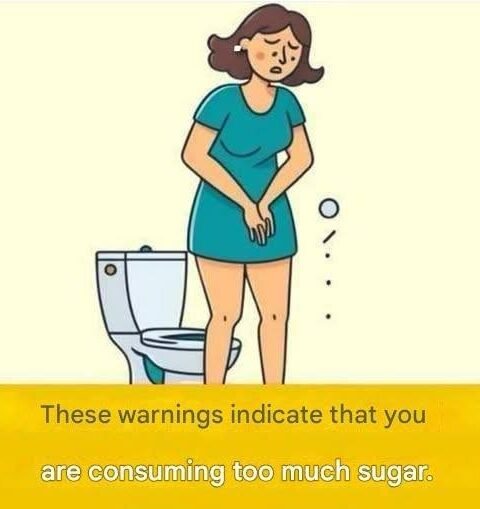
- Frequent urination, including getting up often at night
- Increased hunger, even after eating
- Unusual tiredness or weakness
- Blurred vision
- Unexplained weight loss
- Slow-healing cuts or sores
- Frequent infections, including urinary, skin, or yeast infections
- Tingling or numbness in the hands or feet
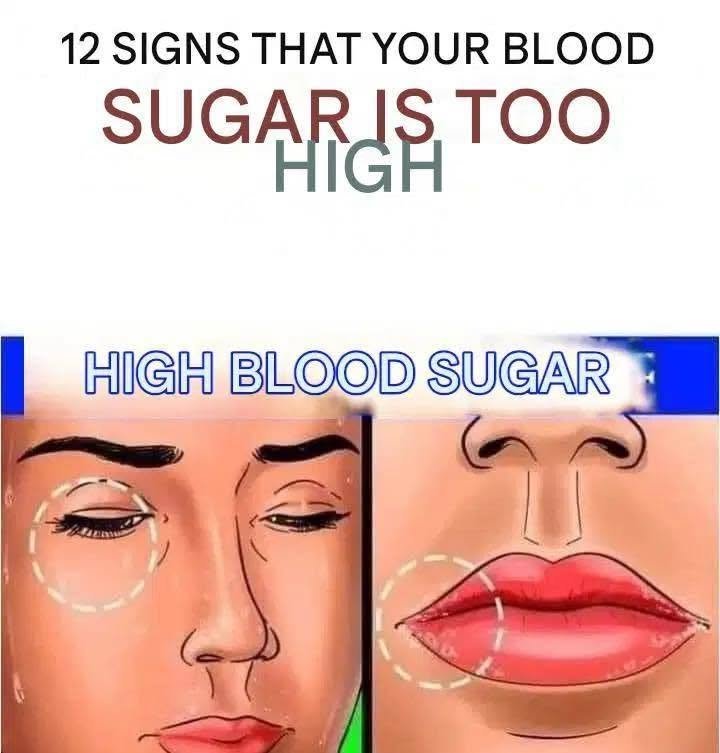
- Dry mouth
- Headaches
- Difficulty concentrating or feeling mentally foggy
The first eight are well-established symptoms associated with diabetes/high blood glucose; dry mouth, headache, and difficulty concentrating are also listed by the CDC/NIDDK among possible signs of high blood glucose.
What to do if you notice several
Don’t assume that symptoms mean you have diabetes. A blood test is needed for diagnosis. Tests such as A1C, fasting plasma glucose, or an appropriate random glucose test can be used by a healthcare professional.
If you already have diabetes and repeatedly experience high readings, contact your healthcare team because your treatment, diet, activity plan, or medicines may need adjustment.
Seek urgent medical care for very high glucose accompanied by severe tiredness, vomiting, abdominal pain, trouble breathing, fruity-smelling breath, confusion, or fainting, as these can occur with diabetic ketoacidosis, a medical emergency.