Why “One Teaspoon” Hacks Fall Short
-
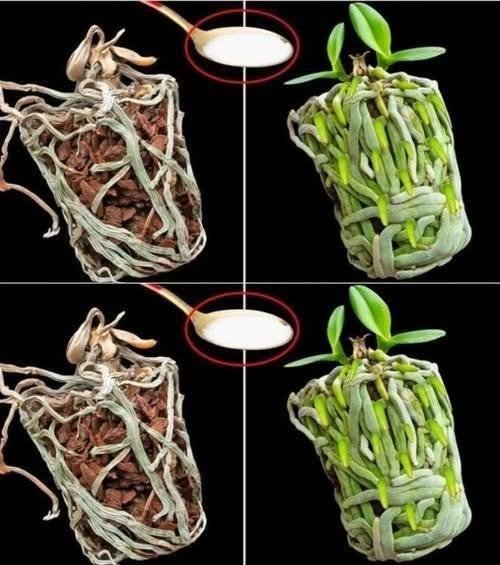
Sugar, honey, or milk: Sugars and organic liquids coat the , attract mold and bacteria, and draw salts toward dry root tips, which can dehydrate or rot delicate tissues.
-
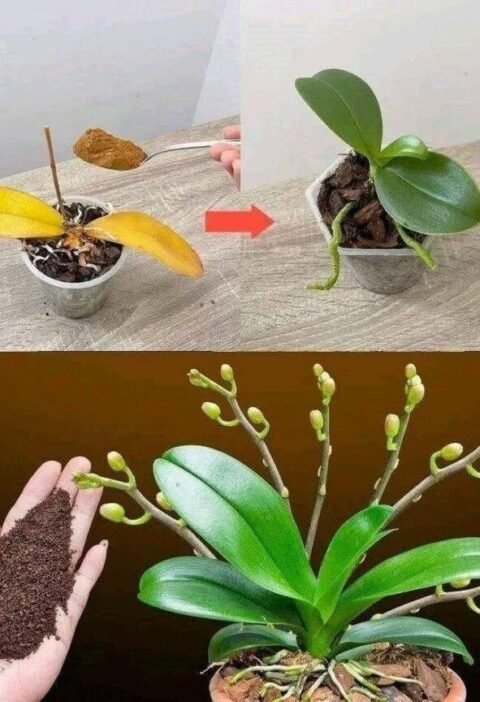
Cinnamon: Cinnamon acts as a mild drying agent or surface barrier, not a root stimulant. Dusted heavily on dry roots or in the crown, it can dry out healthy tips or trap moisture where water collects.
-
Vinegar or baking soda: Acids and alkaline salts alter root-zone chemistry fast and can burn tender root tips or flush salts into dry bark.
How Dried-Out Orchid Roots Actually Recover
-
Check the roots first: Firm roots that turn green when wet and silvery-gray when dry are alive. Mushy, hollow, slimy, or papery roots are dead and can be trimmed away with clean shears before repotting.
-
Rehydrate gently without drowning: Epiphytic orchids grow on trees rather than in dense soil. Soak or flush the chunky bark or sphagnum moss mix thoroughly, then let excess water drain completely so air reaches the roots.
-
Provide bright indirect light: East- or south-facing light filtered through a sheer curtain fuels the energy needed for new root tips and leaves. Direct harsh sun scorches leaves.
-
Feed lightly once actively growing: Use a balanced or orchid-specific fertilizer diluted to roughly a quarter or half of label strength during active growth, flushing with plain water periodically so mineral salts do not build up.