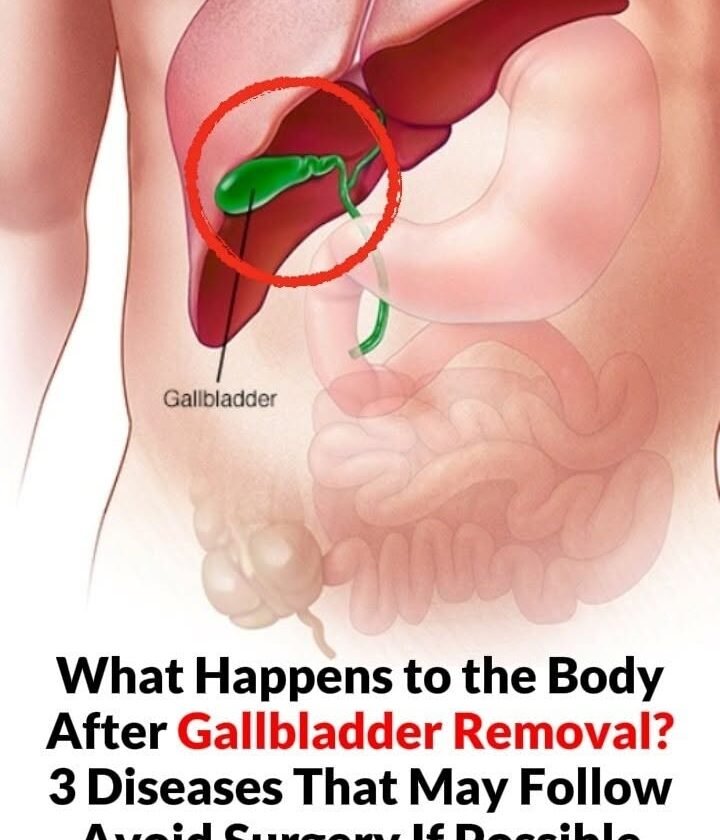
Post-Surgery Digestive Changes and Associated Conditions
-
Bile Acid Malabsorption (Chronic Diarrhea)
-
Why it happens: Because bile drips continuously into the intestines even when no food is present, excess bile acids can reach the colon and irritate its lining, drawing in water.
-
What it looks like: Loose, watery, or urgent bowel movements shortly after eating, affecting roughly 10% to 15% of patients. It is typically manageable with dietary adjustments or bile-acid-binding medications.
-
-
Bile Reflux Gastritis
-
Why it happens: The steady stream of bile in the upper small intestine can occasionally back up (reflux) into the stomach and esophagus.
-
What it looks like: Upper abdominal burning pain, nausea, or a bitter taste. Unlike standard acid reflux, standard antacids or proton pump inhibitors often provide limited relief because bile—not stomach acid—is the primary irritant.
-
-
Sphincter of Oddi Dysfunction
-
Why it happens: The can spasm or fail to relax properly after the gallbladder is no longer there to buffer pressure in the bile ducts.
-
What it looks like: Episodic upper-right abdominal pain that mimics the original gallbladder attacks (part of a group of symptoms known as post-cholecystectomy syndrome).
-
Should You Avoid Surgery?
-
Acute Cholecystitis: A gallstone permanently blocks the gallbladder outlet, causing severe infection, tissue death, or rupture.
-
Gallstone Pancreatitis: A stone slips out and blocks the pancreatic duct, triggering dangerous, potentially life-threatening inflammation of the pancreas.
-
Bile Duct Obstruction (Cholangitis): A trapped stone causes jaundice, high fever, and severe bloodstream infection.
Bottom line for decision-making: Non-surgical treatments (like oral bile salts) take months or years, work only on small cholesterol stones, and have high recurrence rates. If you have asymptomatic gallstones, watchful waiting is standard; if you have recurring pain or inflammation, surgery prevents life-threatening emergencies.