“Avoid These 6 Foods That May Harm Your Thyroid” — What’s Actually True?
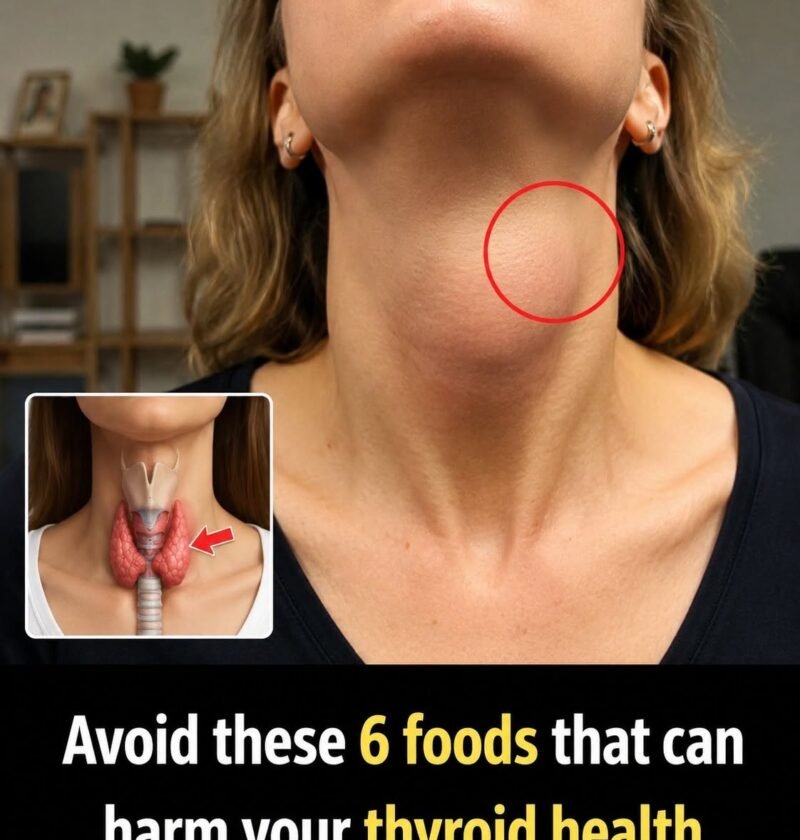
This headline is too broad. There isn’t a standard list of six foods that everyone with a thyroid condition needs to avoid. In fact, most people with thyroid disease can eat a normal, varied diet.
There are, however, a few situations where certain foods or supplements deserve attention.
⚠️ 1. Seaweed and kelp supplements
Seaweed such as kelp, kombu and dulse can contain very large amounts of iodine. Excess iodine can worsen or trigger thyroid problems in susceptible people, particularly those with autoimmune thyroid disease.
Don’t take kelp/iodine supplements for a thyroid problem unless your clinician recommends them.
🫘 2. Soy — but don’t automatically eliminate it
Soy contains compounds sometimes called goitrogens. However, for people with adequate iodine intake, reasonable amounts of soy aren’t generally considered a thyroid problem.
If you take levothyroxine, though, ask your pharmacist or doctor about timing because certain foods and supplements can interfere with its absorption.
🥦 3. Cruciferous vegetables
Broccoli, cabbage, cauliflower and Brussels sprouts are also sometimes labeled “thyroid-damaging foods.”
That’s misleading. Normal portions aren’t generally a concern for people with adequate iodine intake.
You don’t need to stop eating these nutritious vegetables simply because you have hypothyroidism.
🧂 4. Extremely high-iodine foods
Iodine is essential because the thyroid needs it to make thyroid hormones—but both too little and too much can cause problems. Adults generally need about 150 mcg/day, while the upper limit is 1,100 mcg/day.
Don’t deliberately consume large amounts of iodine in an attempt to “boost” your thyroid.
🥤 5. Highly processed foods
These aren’t uniquely toxic to the thyroid, but a diet dominated by highly processed foods can make it harder to maintain good overall nutrition and cardiovascular health.
Rather than banning specific foods, prioritize vegetables, fruits, whole grains, protein sources and adequate dietary iodine.
💊 6. “Thyroid support” supplements
This is arguably more important than avoiding ordinary foods. Some supplements marketed for thyroid health contain large amounts of iodine or other ingredients that can interfere with thyroid function. NIDDK specifically cautions people with autoimmune thyroid disease about excessive iodine from supplements and high-iodine products.