Common Causes of Morning Heel Pain
| Condition | Where It Hurts Most | Classic Clues |
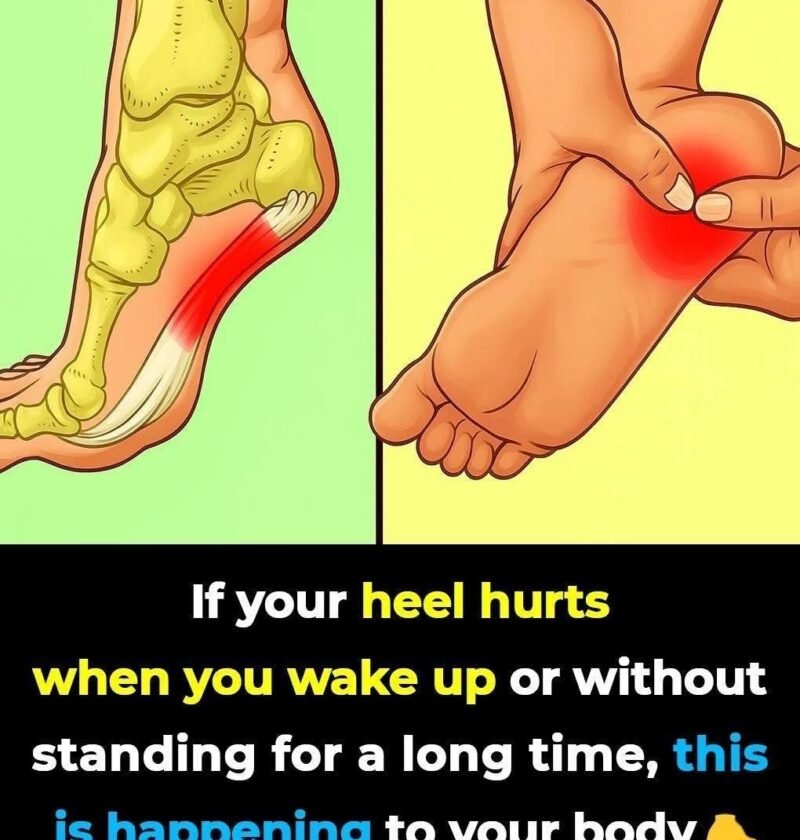
| Plantar Fasciitis (Most common) | Bottom of the heel, slightly toward the inner arch | Sharp, “stepping on a pebble or nail” pain on first steps; eases after 5–10 minutes of walking, then aches again after long standing. |
| Achilles Tendinitis | Back of the heel or just above it | Morning stiffness and tenderness along the thick tendon at the back of the ankle; worsens when climbing stairs or rising onto tiptoes. |
| Heel Pad Atrophy / Bruising | Center of the bottom of the heel | Deep, bruised ache—especially when walking barefoot on hard tile or marble floors—due to thinning of the natural fat cushion with age or impact. |
| Baxter’s Nerve Entrapment | Inner bottom edge of the heel | Burning, tingling, or radiating ache caused by a small nerve branch getting compressed under tight arch tissue; often mimics stubborn plantar fasciitis. |
| Calcaneal Stress Fracture | Deep inside the heel bone | Dull ache that progressively worsens with weight-bearing and persists even when resting, rather than warming up after a few steps. |
| Inflammatory Arthritis (e.g., spondyloarthritis) | Bottom or back of both heels | Morning stiffness lasting more than 30–60 minutes, often affecting both feet and paired with lower-back stiffness or swollen toes/joints. |
What You Can Do at Home for Relief
-
Stretch before your feet hit the floor: While still sitting on the edge of the bed, loop a towel or belt around the ball of your foot and gently pull your toes toward your shin for 20–30 seconds (repeat 3 times per foot). Roll the arch over a chilled water bottle or tennis ball for 2–3 minutes.
-
Never walk barefoot on hard floors: Keep supportive, cushioned slippers or recovery sandals right beside your bed so your first steps don’t hit bare tile or concrete directly.
-
Choose shoes with firm arch support and heel cushioning: Replace worn-out athletic shoes or flat, flimsy sandals; over-the-counter silicone heel cups or firm arch-support insoles help unload tension on the heel.
-
Ice after activity: Apply an ice pack wrapped in a thin cloth (or roll your foot on a frozen water bottle) for 10–15 minutes at the end of the day to calm localized irritation.
-
Ease off high-impact workouts temporarily: Swap running or jumping for low-impact walking, cycling, or swimming while the tissue settles.