Common Causes of Constant Throat Mucus
-
Allergies and Non-Allergic Rhinitis: Dust mites, pollen, pet dander, dry air, or temperature shifts inflame nasal linings and increase watery or sticky drip down the throat.
-
Sinus Issues: Acute or chronic keeps secretions flowing backward, especially when lying down.
-
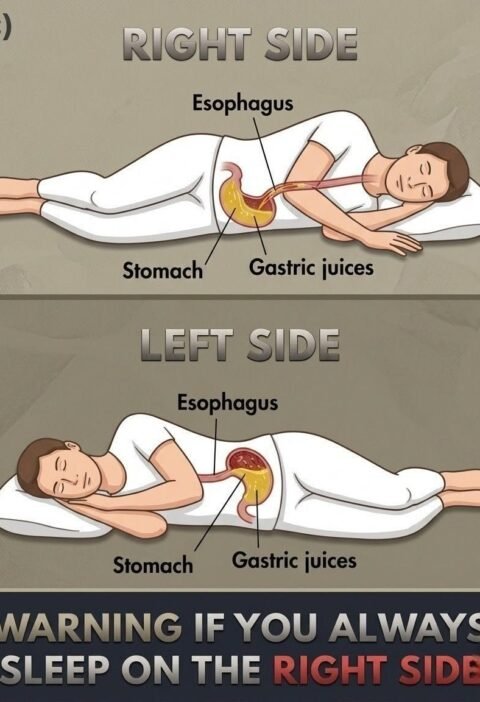
Acid and Silent Reflux: Stomach acid or pepsin reaching the upper throat irritates delicate tissue, causing the throat to produce protective mucus even without classic heartburn ().
-
Smoke, Pollution, and Dry Air: Tobacco smoke, vaping, indoor dust, chemical fumes, and low humidity dry out airways, making existing mucus thicker and stickier.
-
Medications: Certain blood pressure drugs (such as ) can cause throat irritation and a constant urge to clear the throat.
-
Chronic Airway Conditions: Asthma, chronic bronchitis, or lingering post-viral inflammation can keep lower-airway phlegm circulating.
How to Clear and Reduce Mucus Effectively
-
Thin Mucus With Fluids and Moisture: Drink water or warm decaffeinated tea through the day, use a cool-mist humidifier in dry rooms, or breathe steam from a warm shower.
-
Rinse Nasal Passages: A flushes allergens, thick mucus, and irritants out of the nose before they drip into the throat. (Always use distilled, sterile, or previously boiled and cooled water—never plain tap water.)
-
Treat the Trigger Directly:
-
Allergies: Target allergen exposure and ask a doctor or pharmacist about intranasal steroid sprays or non-drowsy antihistamines.
-
Reflux: Avoid eating within 2 to 3 hours of lying down, raise the head of your bed slightly, and cut back on late spicy, fatty, or acidic foods, caffeine, and alcohol.
-
-
Break the Throat-Clearing Loop: Clearing your throat repeatedly slams the vocal cords together and triggers more mucus production. Try a gentle sip of water, a small swallow, or a soft cough instead.
-
Check Medications and Smoke Exposure: Avoid smoke and heavy fumes, and ask your prescribing doctor if a daily medication could be contributing to throat symptoms.