Why “Cures Everything” Posts Are Misleading
-
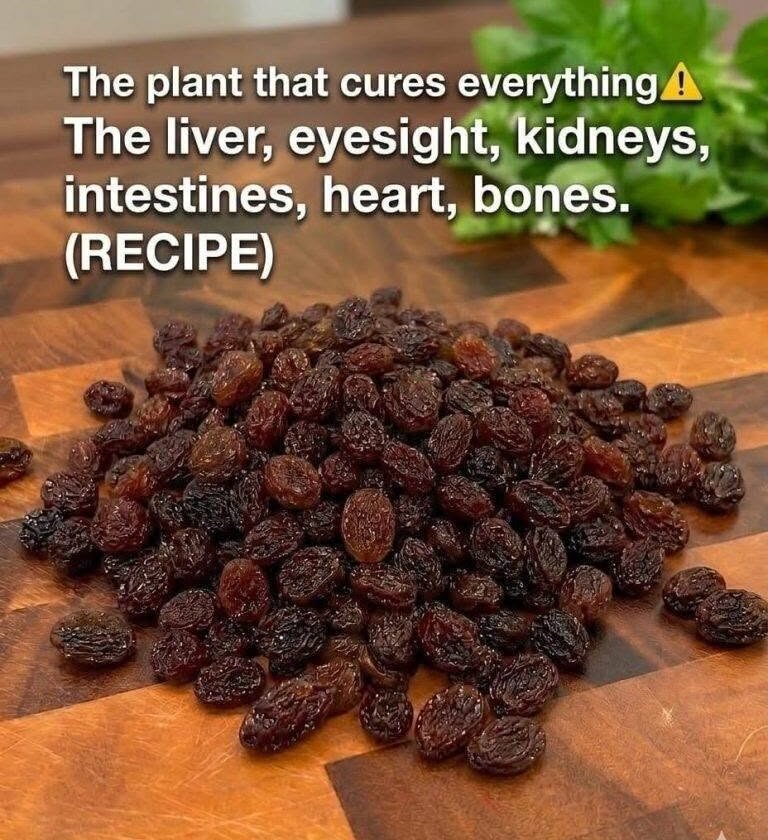
Impossible biological claim: Those six organs fail or get sick for completely different reasons—viruses, blocked arteries, autoimmune conditions, genetic factors, toxins, and structural wear. One plant cannot fix all of them.
-
Classic engagement trap: Usually, posts like this show a blurry photo of a common plant (often moringa, aloe vera, dandelion, turmeric, neem, or black seed / kalonji) and promise a universal cure to drive shares, comments, or supplement sales.
-
The kernel of truth behind the hype: Many nutrient-dense plants do provide vitamins, minerals, and antioxidants that support normal organ function as part of a healthy diet—for example, leafy greens and moringa provide vitamin A (which supports normal vision) and calcium/vitamin K (which support bone health), while fiber-rich plants support digestion and heart health. Supporting normal nutrition is completely different from curing organ disease.
Real Risks of Treating Organ Conditions with “Miracle Plants”
-
Kidney and liver strain: Ironically, concentrated herbal powders, teas, and extracts are among the most common causes of drug-induced liver injury and can be dangerous for people with kidney disease (because many plants are high in potassium, oxalates, or compounds damaged kidneys cannot filter safely).
-
Medication interactions: Herbal remedies can interfere with blood thinners, blood pressure drugs, diabetes medications, and heart prescriptions—either blocking how they work or amplifying side effects.
-
Delayed medical treatment: Relying on a plant instead of proper diagnosis allows silent conditions (like fatty liver progression, kidney decline, glaucoma, or heart disease) to worsen until damage becomes permanent.