What Different Urine Colors Mean
-
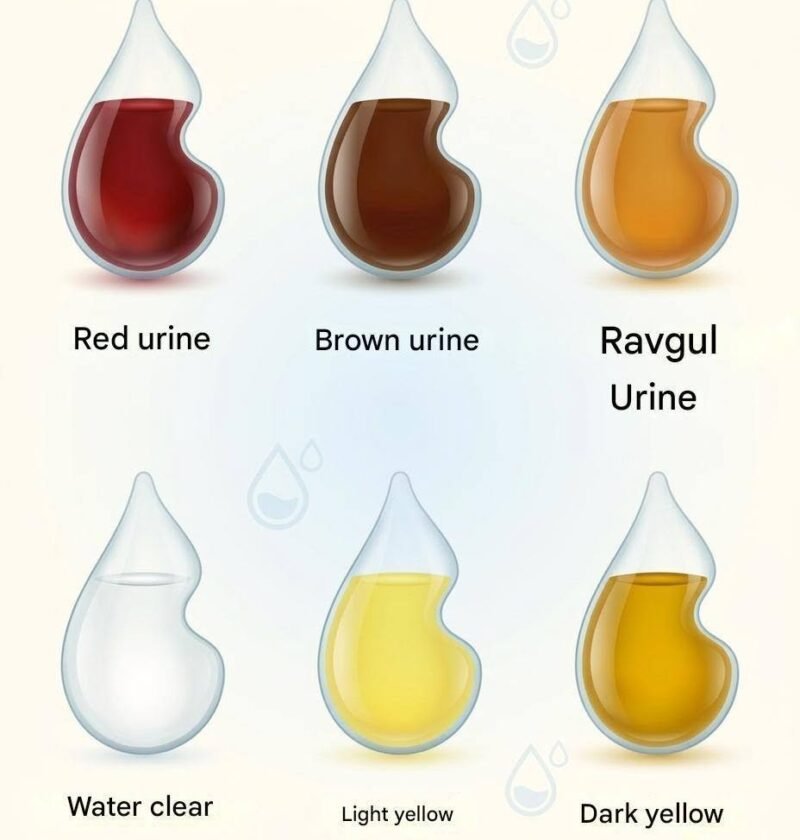
Clear / Completely Colorless: You are drinking plenty of fluids—potentially slightly more than your body needs. Occasionally clear urine is normal, though constantly colorless urine alongside excessive thirst can sometimes point to overhydration or conditions like diabetes.
-
Pale Straw to Light Yellow (Ideal): Normal hydration balance. Your kidneys are filtering waste efficiently while retaining the right amount of water.
-
Dark Yellow to Amber / Honey-Colored: Mild to moderate dehydration. Concentrated urine means your body is conserving water—drinking a glass or two of plain water usually lightens it within a few hours.
-
Orange: Often caused by severe dehydration, high-dose B-complex vitamins or beta-carotene, or medications such as phenazopyridine (used for urinary pain) and rifampin. However, orange urine paired with pale, clay-colored stools can signal a bile duct or liver issue.
-
Pink or Red: Frequently harmless after eating beets, blackberries, or rhubarb (“beeturia”). If you haven’t eaten red-pigmented foods, pink or red urine can indicate blood in the urine (hematuria) from a urinary tract infection (UTI), kidney stones, prostate enlargement, strenuous exercise, or kidney/bladder conditions.
-
Dark Brown or Tea-Colored: Can result from extreme dehydration, eating large amounts of fava beans or rhubarb, or certain medications (such as metronidazole or chloroquine). Medically, tea-colored urine is an important warning sign for liver disease (bilirubin buildup) or rhabdomyolysis (severe muscle breakdown after extreme exertion or injury).
-
Blue or Green: Almost always caused by food dyes, medical diagnostic dyes (like methylene blue), or medications (such as amitriptyline, indomethacin, or propofol). Rarely, a specific bacterial UTI (Pseudomonas) gives urine a greenish tint.
-
Cloudy, Milky, or Foamy: Temporary cloudiness can come from mild dehydration, harmless mineral crystals, or vaginal/urethral discharge. Cloudy urine with a strong foul odor or burning often signals a UTI, while persistent thick foam that doesn’t flush away can indicate excess protein (proteinuria) from kidney strain.
When to See a Doctor Promptly
-
Pink, red, or tea-brown urine with no obvious food or medication cause—even if it happens once and is painless.
-
Dark amber or orange urine accompanied by yellowing of the skin or eyes (jaundice) or pale stools.
-
Cloudy or foul-smelling urine paired with burning, urgency, fever, or lower back/flank pain.
-
Persistent foamy urine over several days.