How Honey Actually Works Before Bed
-
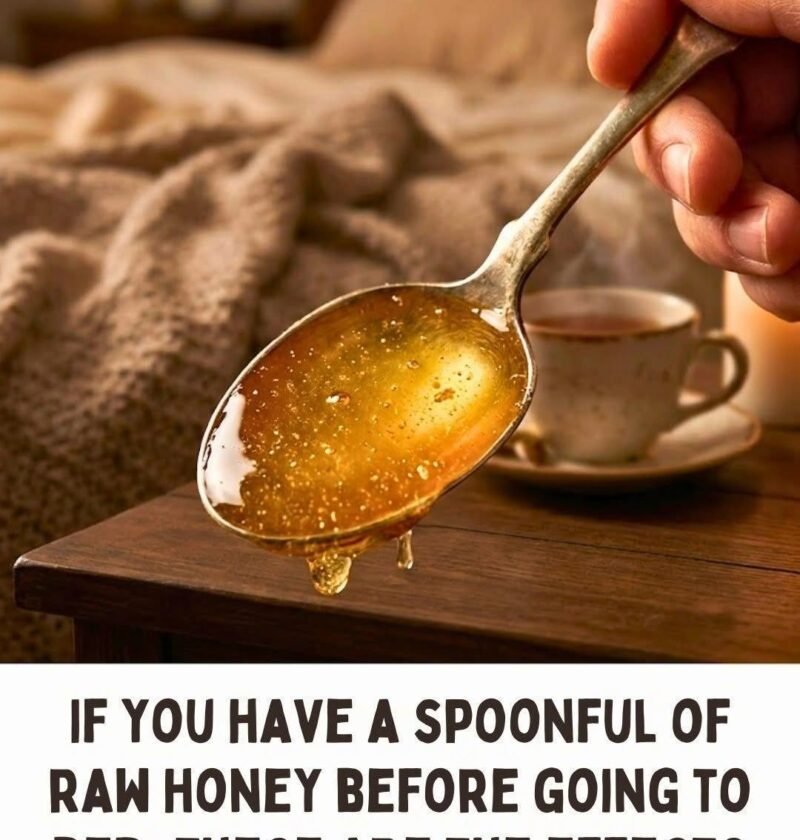
Coats and calms the throat: Thick, syrupy honey lines the back of the throat, easing mild scratchiness and reducing the tickle that triggers nighttime coughing fits. Clinical studies show a small spoonful of honey before bed can calm acute coughs in children over age 1 at least as well as—or slightly better than—some over-the-counter cough syrups.
-
Mild antioxidant and antimicrobial activity: Honey contains sugars, trace organic acids, hydrogen peroxide (generated slowly when diluted with saliva), and plant . This gives it mild antibacterial and soothing qualities locally, though it does not cure systemic infections.
-
Indirect sleep help—not direct sedation: Honey does not contain meaningful levels of sleep-inducing compounds. If it helps you rest better, it is usually because a calmer throat stops you from waking up to cough—or because a small amount of carbohydrate prevents mild hunger pangs in people prone to waking up hungry.
What Bedtime Honey Claims Usually Overstate
-
“Melts fat while you sleep”: Honey is still concentrated sugar (about 60–65 calories per tablespoon). Swapping refined sweets for a small measured spoon of honey is fine in a balanced diet, but eating extra honey before bed does not burn body fat.
-
“Cures insomnia or lowers blood pressure overnight”: No clinical evidence shows a bedtime spoonful of honey treats chronic insomnia or acts as a blood pressure medication.
-
“Raw honey is always medically superior”: Raw and pasteurized honey both coat the throat; raw honey can carry extra pollen (which can occasionally irritate sensitive throats or allergies) and still poses infant botulism risk.
Safety Rules Before You Take Honey at Night
-
Never give honey to infants under 12 months: Even a tiny taste can cause infant botulism, a rare but serious illness caused by Clostridium botulinum spores that an immature infant gut cannot safely clear.
-
Protect your teeth: Honey is sugary and sticky. If you take it after brushing your teeth, sip plain water afterward or brush/rinse before going to sleep so sugar does not sit on enamel all night.
-
Watch blood sugar and calories: If you have diabetes or prediabetes, count honey toward your carbohydrate and sugar intake—a small teaspoon (about 5 g, ~20 calories) is safer than a heaped tablespoon.