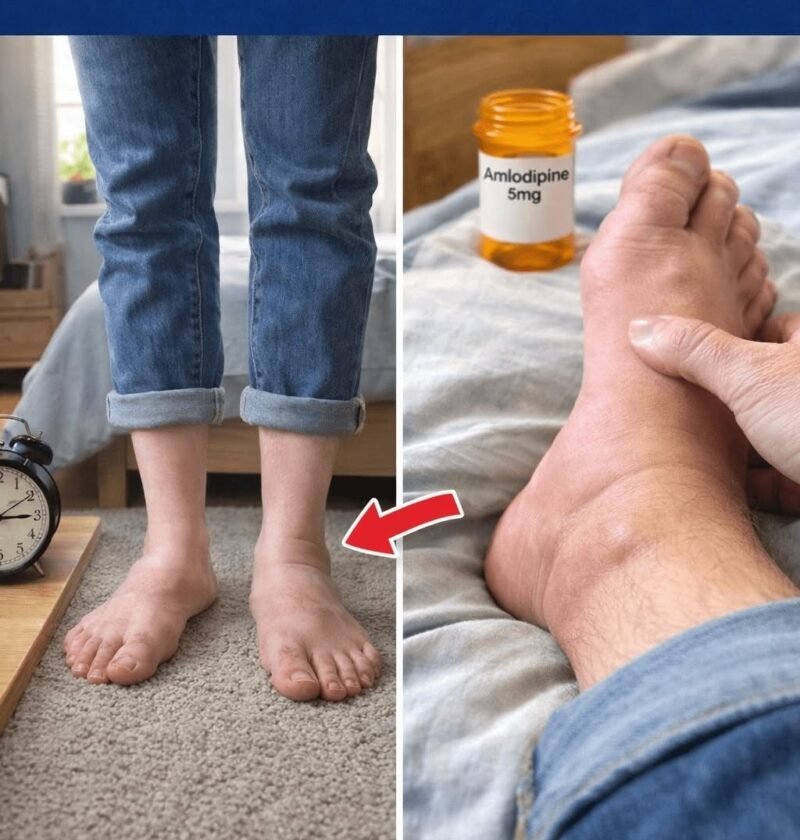
Amlodipine: “Weird” Side Effects That Don’t Always Get Mentioned
Amlodipine is a calcium-channel blocker commonly used for high blood pressure and angina. Most people tolerate it well, but its official prescribing information lists some less-common effects that can be easy to overlook.
Some less-obvious effects
- Swollen ankles or feet — actually one of the most characteristic effects, and it can be dose-related.
- Flushing or feeling unusually warm
- Heart pounding or palpitations
- Muscle cramps or muscle aches
- Tremor or tingling/numbness
- Sleepiness or unusual fatigue
- Constipation or diarrhea
- Gum enlargement (gingival hyperplasia) — uncommon, but specifically reported with amlodipine. Good dental hygiene and regular dental care are important.
- Increased urination or nighttime urination
- Sleep problems, nervousness or unusual dreams
- Sexual dysfunction
- Changes in vision, such as blurred or double vision
- Ringing in the ears (tinnitus)
These less-common reactions are listed in the drug’s prescribing information, although some occurred in less than 1% of patients or had an uncertain causal relationship, so they shouldn’t automatically be blamed on amlodipine.
🦶 Why do the ankles swell?
This is particularly worth knowing. Amlodipine dilates small blood vessels, which can increase pressure in the tiny vessels near the ankles and cause fluid to move into surrounding tissue. In clinical trials, edema occurred more often at higher doses—for example, 10.8% at 10 mg versus 3.0% at 5 mg in one trial.
Don’t automatically treat swollen ankles by taking a diuretic (“water pill”). Talk with your prescriber, because changing the amlodipine dose or using another blood-pressure medication may be more appropriate.
🚨 Get medical help for these symptoms
Contact your doctor promptly for fainting, significant or worsening chest pain, or a rapid/pounding/irregular heartbeat.
Seek emergency care for difficulty breathing or swelling of the face, lips, tongue or throat, which can indicate a serious allergic reaction.
❗ Don’t stop amlodipine suddenly on your own
If you think it’s causing side effects, your clinician can decide whether to adjust the dose or switch medications. Amlodipine controls blood pressure and angina but doesn’t cure them, so stopping treatment without a replacement can leave the underlying condition uncontrolled.