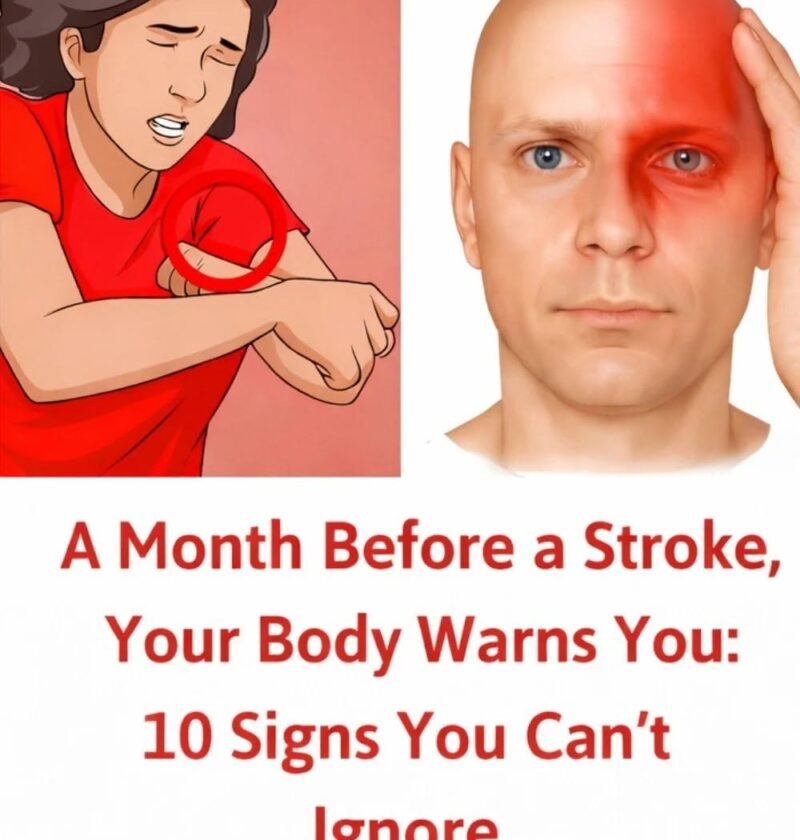
10 Warning Signs That Can Signal a TIA or Developing Stroke Risk
-
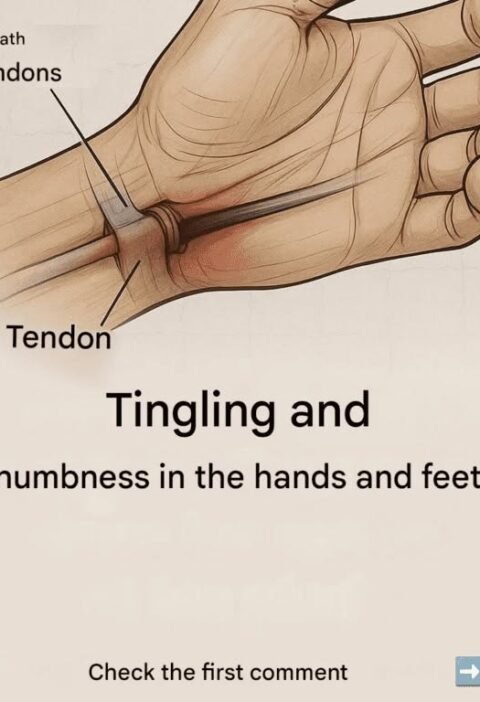
Brief Numbness or Tingling on One Side: Sudden “pins and needles” or deadened sensation in the face, one arm, or one leg—even if it clears up in 5 or 10 minutes.
-
Temporary Weakness or Clumsiness in One Arm or Leg: Suddenly dropping a cup, struggling to grip a pen, or feeling one leg drag briefly before strength returns.
-
Fleeting Facial Drooping or Asymmetry: One side of the mouth or eyelid briefly sagging or feeling stiff when smiling or speaking.
-
Brief Slurred Speech or Word-Finding Trouble: Suddenly stumbling over familiar words, speaking garbled sentences, or struggling to understand what someone is saying for a few moments.
-
Sudden Vision Blurring, Double Vision, or Temporary Loss of Sight in One Eye: A painless “curtain” or dark shadow coming down over one eye (amaurosis fugax), or sudden double vision, that resolves on its own.
-
Sudden Spells of Dizziness, Vertigo, or Loss of Balance: Unexplained room-spinning dizziness, staggering, or loss of coordination—especially when paired with double vision, numbness, or speech changes.
-
Unexplained Difficulty Swallowing (Dysphagia): Sudden choking or trouble swallowing saliva or liquids without a sore throat or cold.
-
Brief Confusion, Disorientation, or Memory Lapses: Suddenly feeling lost in a familiar place or unable to follow a simple conversation for several minutes.
-
New, Unusually Severe, or Unusual Headaches: While less common as an early warning, an abrupt, severe headache without a clear trigger—or an abrupt change in migraine aura pattern—warrants prompt evaluation.
-
Sudden, Unexplained Palpitations or Lightheadedness (Underlying Rhythm Clues): Not a stroke symptom itself, but new fluttering or irregular heartbeats can point to atrial fibrillation (AFib)—a common cause of blood clots that travel to the brain.
How to Respond: B.E.F.A.S.T. & Urgency Levels
-
B – Balance: Sudden loss of balance or coordination
-
E – Eyes: Sudden blurred, double, or lost vision in one or both eyes
-
F – Face: Uneven smile or drooping on one side of the face
-
A – Arms: One arm drifting downward or feeling weak/numb
-
S – Speech: Slurred speech, wrong words, or trouble understanding
-
T – Time: Note the exact time symptoms started and get emergency care immediately
-
Immediate Emergency Care (
<1 hour): Go to an emergency hospital right away for any sudden neurological symptom above—even if it lasted only a few minutes and completely went away. A resolved TIA is a medical emergency because prompt imaging, blood pressure/cholesterol management, and antiplatelet or anticoagulant therapy can prevent a major disabling stroke. Do not drive yourself and do not take aspirin before a doctor rules out a bleeding (hemorrhagic) stroke. -
Routine Prevention Visit (Within 2–7 Days): If you have no sudden neurological symptoms but want to lower future stroke risk—especially if you have high blood pressure, diabetes, high cholesterol, smoking history, or irregular heartbeats—schedule a routine doctor checkup to review blood pressure, blood sugar, lipids, and heart rhythm.