1. Normal Everyday Reasons (Most Common)
-
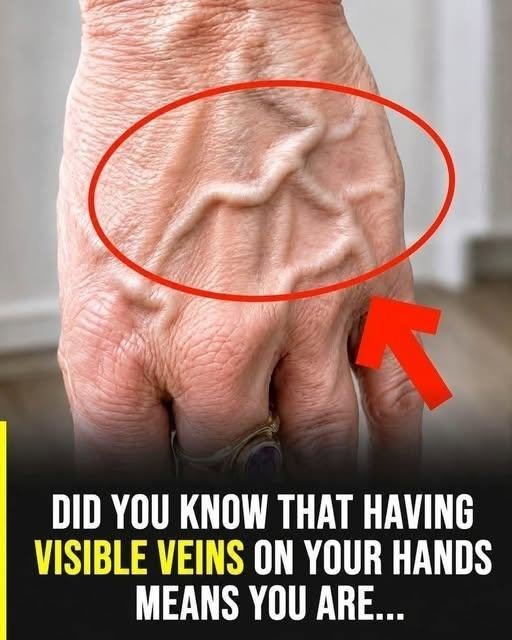
Low Subcutaneous Fat: Veins sit right beneath the layer of fat under your skin. The less fat in an area (like the hands, forearms, shins, or temples), the closer veins sit to the surface.
-
Regular Exercise & Muscle Tone: Working out temporarily boosts blood pressure and blood flow, causing veins to widen (“vascularity”). Over time, strength training and cardio also build muscle volume that pushes veins closer to the skin.
-
Skin Tone & Natural Aging: Fair or translucent skin naturally lets blue-green light from deeper veins show through more easily. As you age, skin also loses collagen and thins out, making veins on the backs of your hands and forearms more prominent.
-
Heat, Hydration, or Tight Clothing: Hot weather dilates blood vessels to cool your body down, making veins pop out temporarily.
2. When Visible Veins Signal a Medical Change
-
Bulging, Twisted, or Rope-Like Leg Veins (Varicose Veins): Caused by weakened one-way valves in leg veins that let blood pool. They often come with aching, heaviness, swelling, or itching in the legs.
-
Sudden New Veins on the Chest or Abdomen: Rapidly appearing, prominent veins across your upper chest or belly can occasionally signal pressure or blockage in deeper blood vessels.
-
Spider Veins on the Face or Legs: Tiny, web-like red or purple vessels near the surface—often linked to genetics, sun exposure, pregnancy, or hormonal shifts.