1. Hygiene & Health Facts
-
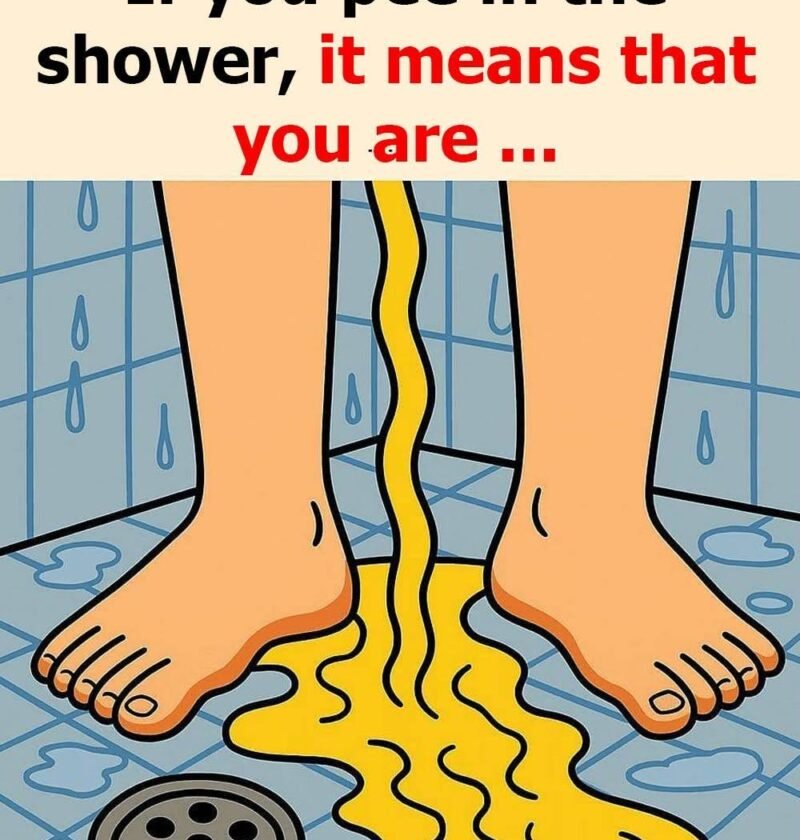
Is urine sterile? Contrary to popular myth, urine is not completely sterile—healthy urine contains low levels of natural bacteria. However, in a healthy person without a urinary tract infection (UTI), it is far cleaner than fecal matter and washes straight down the drain along with soap and running water.
-
Skin and Foot Health: Urine contains urea, which is actually used in dermatology creams to soften skin—though the brief contact in a shower isn’t concentrated enough to cure athlete’s foot or fungal infections (a common myth). As long as you rinse off afterward, it does not harm healthy skin.
-
When to Avoid It for Hygiene: Skip peeing in the shower if you have an active UTI or kidney infection (when bacterial load is high), if you have open wounds or cuts on your feet/legs, or if you are using a public, gym, or shared shower where others stand barefoot before surfaces are cleaned.
2. The Pelvic Floor Catch (Pavlovian Conditioning)
-
Triggering the “Running Water” Reflex: Regularly urinating while hearing running water creates a conditioned association in your brain (similar to Pavlov’s dogs). Over time, simply turning on the shower, washing dishes, or hearing rain can trigger a sudden, strong urge to pee—even when your bladder isn’t full.
-
Pelvic Floor Mechanics: Standing upright in the shower prevents the pelvic floor muscles from relaxing as fully as they do when seated on a toilet. For some people, urinating standing up encourages subtle pushing or incomplete bladder emptying.
3. Environmental Impact
-
Water Savings: A standard toilet flush uses roughly 1.6 gallons (6 liters) of water—and older toilets use even more. Skipping one toilet flush a day by going in the shower saves roughly 500 to 600 gallons (2,000+ liters) of water per year per person, which is the main reason environmental campaigns sometimes promote it.
Quick Summary
| Aspect | The Verdict |
| Private Home Hygiene | Safe for healthy people, as running water and soap rinse the drain immediately. |
| Shared / Gym Showers | Avoid out of basic sanitation and courtesy to others. |
| Bladder & Pelvic Floor | Use caution if you deal with overactive bladder, urgency, or leakage. |
| Water Conservation | Saves water by eliminating an extra toilet flush. |