Stray Chin Hairs vs. Medical Hirsutism
| Feature | Common Stray Chin Hairs (Normal Variation) | True Hirsutism (Worth a Medical Check) |
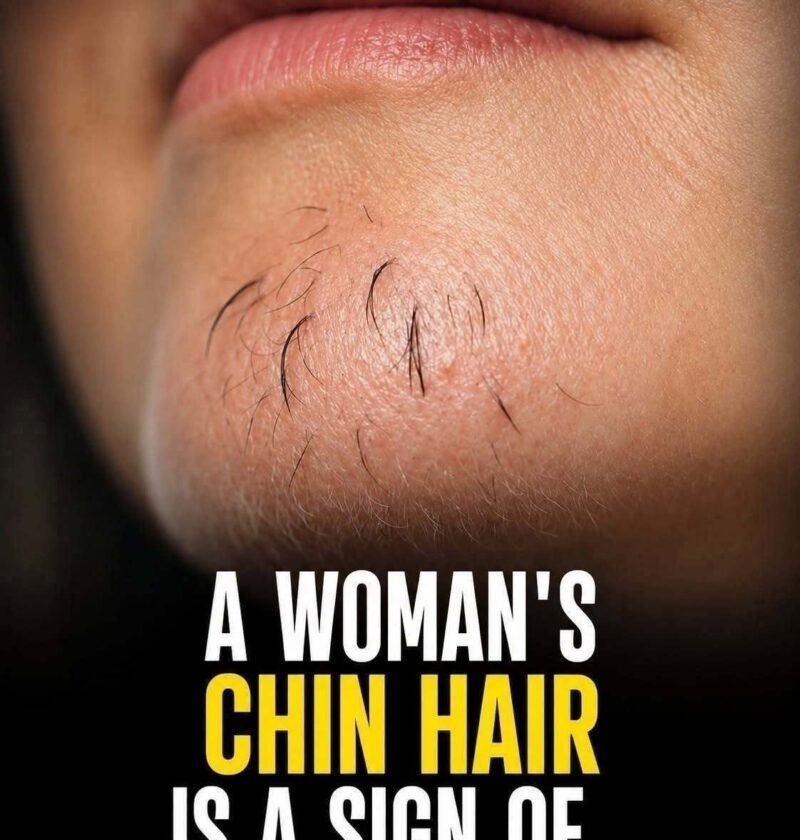
| Appearance | A few isolated, slightly thicker or darker hairs on the chin or neck. | Dense, coarse, dark terminal hair spreading across the chin, jawline, upper lip, sideburns, chest, lower abdomen, or inner thighs. |
| Onset | Appears gradually over years; often increases in your 30s, 40s, and after menopause. | Appears rapidly or steadily worsens alongside other hormonal symptoms. |
| Underlying Driver | Normal follicle sensitivity to baseline androgens, family genetics, and shifting estrogen-to-androgen ratios with age. | Elevated androgen levels or heightened androgen activity—most often PCOS, insulin resistance, medications, or less commonly adrenal/ovarian conditions. |
The Most Common Real Causes
-
Genetics and Normal Aging (Perimenopause & Menopause): All women naturally produce small amounts of testosterone and other androgens. As estrogen levels dip during perimenopause and menopause, the relative balance shifts slightly toward androgens—causing previously fine “peach fuzz” (vellus hair) on the chin to convert into thicker, darker terminal hairs.
-
Polycystic Ovary Syndrome (PCOS): The most frequent medical cause of excess facial and body hair in reproductive-age women, typically paired with irregular or missed periods, hormonal jawline acne, scalp hair thinning, or weight/insulin resistance.
-
Medications: Certain drugs—including minoxidil (even topical formulas transferred onto pillowcases or hands), anabolic steroids/testosterone therapy, danazol, cyclosporine, and some glucocorticoids—can stimulate unwanted facial hair growth.
-
Less Common Hormonal Conditions: Non-classic congenital adrenal hyperplasia (NCAH), Cushing’s syndrome, or—very rarely—an androgen-producing ovarian or adrenal tumor (suspected when coarse hair appears abruptly over a few months alongside voice deepening or severe hair loss).
Safe Hair Removal & Evidence-Based Options
-
Myths vs. reality on removal: Plucking, waxing, threading, or shaving does NOT make hair grow back thicker or darker—shaving merely blunts the tip so stubble feels coarser as it emerges. However, frequent tweezing on sensitive chin skin can cause ingrown hairs or post-inflammatory hyperpigmentation (dark spots), especially in medium-to-deep skin tones.
-
Long-term cosmetic reduction: Laser hair removal (best for dark hair on lighter-to-medium skin using appropriate wavelengths) or electrolysis (works on all hair and skin colors, including white/gray hairs) permanently reduces active follicles.
-
Medical treatments (when driven by hormones): If PCOS or elevated androgens are confirmed, doctors may recommend combined oral contraceptives, anti-androgens (such as spironolactone), or prescription eflornithine cream to slow facial hair regrowth at the follicle level.
When to see a doctor: Schedule a medical evaluation if coarse chin/jawline hair appears suddenly or progresses rapidly over months, or is accompanied by irregular or absent menstrual cycles, persistent cystic acne, thinning scalp hair, unexplained weight gain, or voice deepening.