The Most Common “Mystery” Vintage Crockery & Tableware Items
-
Bone Dishes (Crescent-Shaped Small Plates):
-
What they look like: Curved, crescent-moon-shaped porcelain or ceramic dishes designed to tuck neatly beside a round dinner plate.
-
What they were for: Setting aside fish bones, poultry bones, or fruit pits during formal Victorian and mid-20th-century meals.
-
-
Individual Salt Cellars & Tiny Salt Spoons (or Condiment Dippers):
-
What they look like: Miniature glass, silver, or porcelain bowls (often 1–2 inches wide) paired with tiny shallow spoons—sometimes mistaken for dollhouse dishes or snuff spoons.
-
What they were for: Serving loose salt at individual place settings before free-flowing table salt and shakers became universal.
-
-
Sugar Nips / Ice Tongs / Olive & Pickle Forks:
-
What they look like: Plier-like metal shears (sugar nips), spring-loaded miniature claws (ice/sugar tongs), or long, skinny two-pronged forks with a sliding ejector bar (pickle/olive forks).
-
What they were for: Snipping chunks off hard cone-shaped sugar loaves, picking up sugar cubes, or spearing olives and pickles out of narrow jars without getting fingers wet.
-
-
Egg Coddlers, Toast Racks, or Butter Pats:
-
What they look like: Small porcelain cups with screw-on metal lids (egg coddlers), metal frames with vertical dividers (toast racks), or tiny 2–3 inch flat ceramic discs (butter pats).
-
What they were for: Gently poaching eggs in simmering water, keeping toast crisp instead of steaming soggy on a plate, or holding individual pats of butter.
-
-
Knife Rests or Spoon Warmers:
-
What they look like: Small dumbbell-shaped glass, crystal, or silver bars (knife rests), or shell/nautilus-shaped silver vessels (spoon warmers).
-
What they were for: Resting soiled cutlery between courses so meat juices wouldn’t stain linen tablecloths, or holding hot water to warm serving spoons before scooping cold butter or desserts.
-
How to Identify Your Specific Piece Quickly
-
Upload a clear photo (or describe its material, approximate length/width, moving parts, and any stamps/hallmarks on the underside) and we can tell you exactly what it is and how it was used.
-
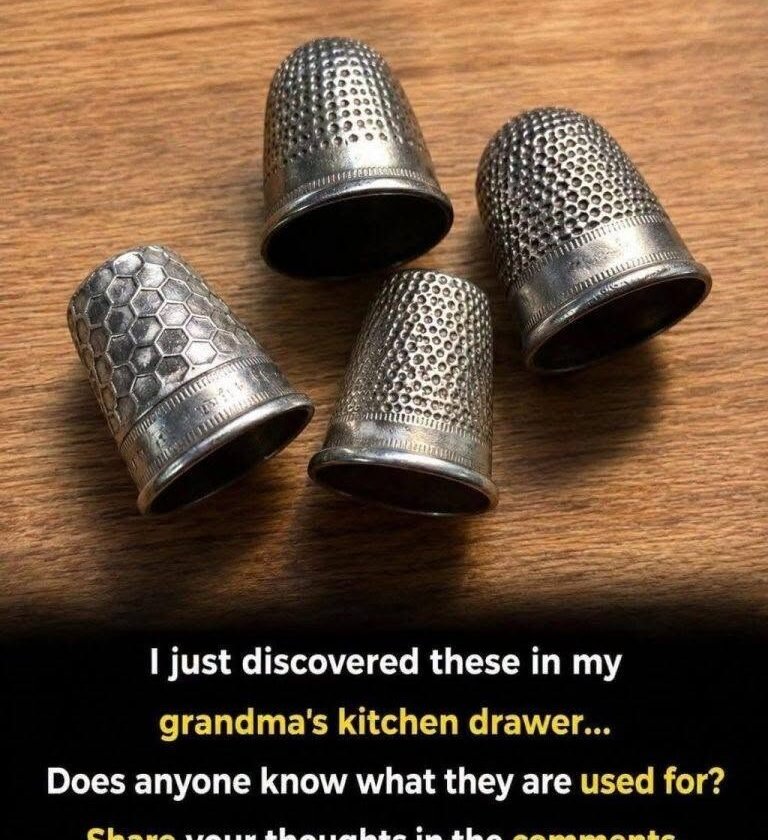
Watch out for the “FIND OUT MORE IN THE COMMENTS” trap: On social media, these posts deliberately withhold the answer so users click external links packed with pop-up ads or phishing pages—skip the comment links and check maker’s marks directly instead.