7 Nighttime Clues Often Linked to High Blood Sugar
-
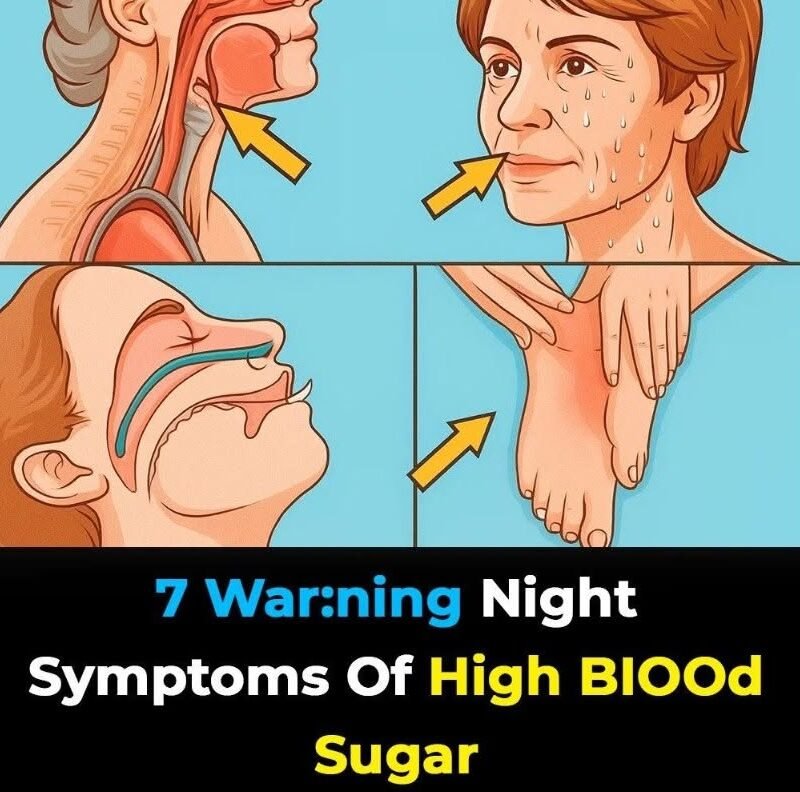
Waking up repeatedly to urinate (nocturia): When blood glucose rises above the kidney’s reabsorption threshold, excess sugar spills into urine and draws extra water along with it—leading to larger or more frequent bathroom trips overnight.
-
Strong nighttime thirst or dry mouth: Fluid loss from frequent urination—alongside shifts in hydration and saliva—can leave you waking up parched and reaching for water repeatedly during the night.
-
Early-morning waking or fragmented sleep: Elevated blood sugar, nighttime bathroom trips, or counter-regulatory hormone shifts (such as cortisol or adrenaline) can interrupt deep and REM sleep in the second half of the night.
-
Night sweats or feeling overheated: Drops in blood sugar after a late insulin or medication dose can trigger sweating, shaking, or anxiety—and fluctuating overnight glucose or autonomic shifts can also make you feel warm or clammy.
-
Unusual nighttime fatigue, restlessness, or headache: When glucose cannot enter cells efficiently (due to insulin resistance or low insulin), your body lacks steady cellular fuel, sometimes leaving you feeling drained, restless, or waking with a dull headache.
-
Blurred vision when getting up or reading at night: High blood sugar can pull fluid into and out of the eye’s lens, temporarily changing its shape and causing blurry or fluctuating focus that may be noticeable at night or first thing in the morning.
-
Nausea, stomach discomfort, or unexplained hunger: Very high blood sugar—or a heavy, high-glycemic late-night meal—can slow stomach emptying (gastroparesis is a longer-term complication in some people with diabetes) or leave you feeling nauseous or snack-hungry in the evening.
How to Tell High Blood Sugar Apart From Other Nighttime Causes
| Nighttime Symptom | High Blood Sugar Clue | Other Common Non-Glucose Causes |
| Waking to urinate | Paired with unusual thirst, larger urine volumes, or elevated daytime glucose/A1c | Drinking fluids late, prostate enlargement, overactive bladder, diuretics, sleep apnea |
| Dry mouth / thirst | Happens alongside frequent urination, daytime thirst, or known diabetes | Mouth breathing, nasal congestion, snoring/sleep apnea, dry air, anticholinergic/blood pressure meds |
| Waking at 3–4 AM or sweating | May follow late high-carb meals or—if on insulin/sulfonylureas—overnight low blood sugar | Stress/rumination, alcohol, warm bedding, perimenopause/menopause, sleep apnea |
Practical Next Steps & When to Seek Urgent Care
-
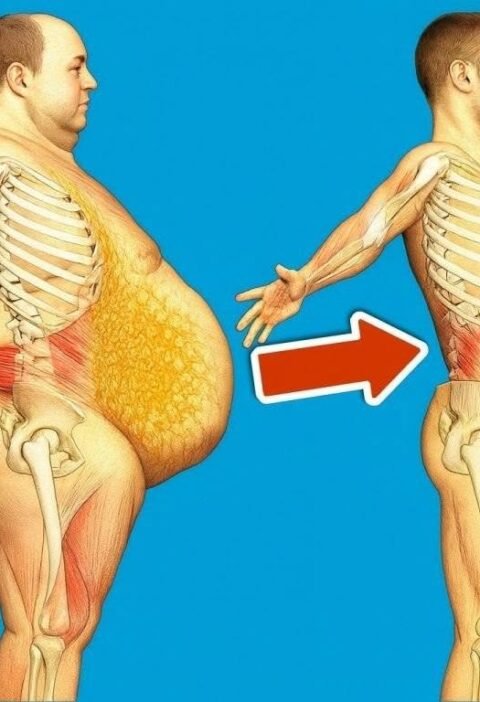
Test rather than guess: If you notice these patterns regularly—especially if you have risk factors like family history of diabetes, excess weight around the waist, gestational diabetes history, or prediabetes—ask a doctor for a fasting blood glucose, HbA1c, or check fingerstick readings at bedtime and upon waking.
-
Watch late evening meals and habits: Pairing evening carbs with fiber, protein, and healthy fats, avoiding sugary drinks late at night, and taking a gentle walk after dinner can help smooth overnight blood sugar curves.
-
Seek urgent or emergency care for red flags: If high blood sugar is accompanied by persistent vomiting or abdominal pain, fruity-smelling breath, rapid or deep breathing, confusion or severe drowsiness, or very high blood sugar readings (especially with ketones if you have diabetes), seek immediate medical attention—these can signal diabetic ketoacidosis (DKA) or hyperosmolar hyperglycemic state (HHS), which are medical emergencies.